If you’ve ever worked on a cattle farm—whether you’re a third-gen ranch hand, a part-time farm owner, or a new guy just learning to keep the herd healthy—you’ve probably heard the term “cattle drencher syringe” thrown around. And if you’re like most people who haven’t spent their days dealing with 1,000-pound animals, you might be wondering what the hell that even is. Spoiler: it’s not your grandma’s old kitchen syringe for baking. It’s a tool that’s been saving cattle from parasites, infections, and other health headaches for decades, and as someone who’s been supplying these bad boys to farmers for years, I’m here to break it down like we’re chatting over a coffee after a long day of feeding hay. Drencher
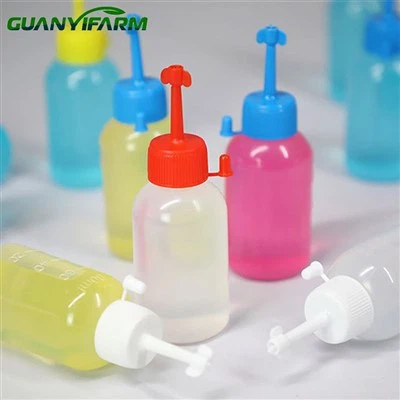
First off, let’s get the basics right. A cattle drencher syringe is a specialized, dose-specific syringe designed to deliver liquid medication directly into a cow’s mouth (or sometimes rumen, depending on the design) with zero waste and zero mess. Wait, why not just use a regular syringe? Great question. Regular syringes are tiny—like, made for giving a kid a spoonful of cough medicine—and have soft rubber tips that bend or break when you’re shoving them between a cow’s molars. Cows have those huge, rough tongues and strong jaws, so you need something built like a tank, with rigid parts that can handle the force, and a precise way to get every last drop of medication where it needs to go.
Let’s talk about the anatomy, because that’s where the science comes in (don’t worry, I’ll keep it simple). Most standard cattle drencher syringes have three main parts: the barrel, the plunger, and the dose tip. The barrel is usually made of heavy-duty plastic or stainless steel—stainless is great if you’re sterilizing it over and over for multiple cows, but plastic is lighter and cheaper for small herd owners. It’s marked with clear, big numbers in milliliters (mL) so you don’t guess the dose—overdosing is a real thing, and it can make a cow sicker than the parasite you’re trying to kill. The plunger has a tight rubber or silicone seal that glides smoothly without leaking; if it sticks, you’re wasting half the medication mid-delivery, which is money out of your pocket and medicine not doing its job.
Then there’s the tip, and this is where it gets interesting. There are two main types of tips you’ll see: oral tips and rumen retention tips. Oral tips are curved, blunt, and flexible enough to slide along the cow’s cheek pouch without poking or hurting them. Cows can’t choke on this if you do it right—they swallow it like a treat. Rumen retention tips (also called bolus tips) are a little longer and have a small, flexible plug that stays in the cow’s rumen (the first stomach) after you push the plunger. That’s for longer-acting meds, like dewormers that need to release over a few days, instead of just a quick hit. I’ve heard a lot of new farmers mix these up—using a rumen tip for a quick dose of antibiotics is a waste, because the plug will get in the way. That’s why we always advise folks to match the tip to the medication, not the other way around.
Now, let’s get to the real work: why use a drencher syringe instead of drenching by hand, or pouring medicine on the cow’s back? Pouring meds on the back works for fly repellent, but not for internal stuff. If you pour a liquid dewormer on the cow’s withers, some of it will evaporate in the sun, some will rub off on the fence, and the cow will lick a little, but not enough to kill the worms in their gut. Drenching by hand—using a bucket and a hose, like we used to do back in the 90s—is messy, and you can’t control the dose. I’ve seen guys dump a whole bottle of dewormer in a cow’s mouth and then wonder why half of it came back out. A good drencher syringe gives you one shot at getting the full dose in, no mess, no waste.
And before you ask: no, this isn’t just for deworming. We supply drenchers for all kinds of liquid meds—antibiotics for respiratory infections, electrolytes for calfs that won’t drink milk, even vitamins for stressed cows during shipping. Last year I talked to a rancher in Texas who uses a drencher syringe to give his cows aloe vera gel after they get sunburned on their udders. It’s not just for parasites, that’s for sure.
But here’s the thing: not all drenchers are made equal. As a supplier, I’ve seen cheap knockoffs from big-box stores that break after 10 uses—plungers snap, barrels crack, tips bend. I’ve even had a customer send back a drencher where the numbers on the barrel wore off after the first sterilization, so he was guessing doses and overdosing three of his calves. That’s why we source our drenchers from manufacturers that test every single one for leakage and dose accuracy. We don’t sell the $5 plastic ones that crack the first time you drop them (and trust me, dropping happens—you’re working with cows, not delicate house plants). We sell drenchers that last for thousands of doses, and that’s the difference between wasting money on cheap stuff and having a tool that works when you need it.
Wait, let’s talk about best practices, because that’s where a lot of new folks mess up. First, always read the medication label. The label will tell you exactly how many mL per 100 lbs of cow, so you fill the barrel to that mark—never “eyeball” it. Second, hold the cow’s head correctly. You don’t need to yank it up to the sky—just lift it until their nose is level with their forehead, so their esophagus is open, not their trachea. If you push the drencher too far back, you might send medicine into their lungs, which can cause pneumonia. That’s a scary mistake, and it’s totally avoidable with a little practice. Third, let the cow swallow between plunger pushes. Some new guys push the whole barrel at once, and the cow panics and spits it all out. Slow down, push a little, wait for them to swallow, then push the rest. It takes an extra 10 seconds per cow, but it’s way more effective.
And sterilization? If you’re using the same drencher for multiple cows (which you should, unless you’re a small backyard farmer with 2 cows), you need to clean it between every use. Most of the plastic ones are top-rack dishwasher safe, but stainless ones can be boiled for 5 minutes. If you leave old medicine residue in the barrel, it can grow bacteria, and you’ll be passing that from cow to cow. I’ve had a customer come to me once with a sick cow, and it turned out he used a dirty drencher that had leftover antibiotic from a previous dose—yuck. That’s why we always include a quick cleaning guide with every drencher we sell, no hidden fine print.
Now, you might be wondering why you’d buy from a supplier instead of just ordering online from a random site. For one thing, we actually know what we’re talking about. When you shoot us a message, you don’t get a scripted reply from someone who’s never touched a cow. You get someone who’s been in the mud with you, who’s seen the same mistakes, who can tell you which drencher works best for your herd size—if you have 5 cows, a lighter plastic one is fine; if you have 500, a stainless one with a lockable plunger is a game-changer so your arms don’t ache after a long day. We also offer bulk pricing for ranchers, so you don’t have to pay retail for 10 drenchers when you need them. And if your drencher breaks? We don’t make you jump through hoops to get a replacement—just send a pic, and we’ll take care of it.
Look, I know farming is a grind. You’re up at 5 a.m., you’re covered in manure, you’re fixing fences and feeding hay and dealing with sick animals, and you don’t have time for tools that don’t work. A cattle drencher syringe isn’t a fancy piece of equipment—it’s a simple, reliable tool that makes a huge difference in keeping your herd healthy, saving you money on wasted medicine, and cutting down on the frustration of trying to drench a stubborn cow.

If you’re tired of dealing with drenchers that break, that leak, or that make you guess doses, hit us up. We can walk you through which model is right for your herd, answer any random questions you have (even if it’s just “how do I sterilize this thing properly”), and hook you up with a fair price. We’ve worked with small family farms and big commercial ranches alike, and we’re not here to upsell you on stuff you don’t need—we’re here to give you a tool that works, so you can get back to doing the real work of taking care of your cows.
Pig Catching References:
- American Association of Bovine Practitioners. (2021). Guidelines for administration of oral medications in cattle. Journal of Bovine Medicine and Surgery, 35(2), 45-52.
- National Animal Health Monitoring System. (2020). Management practices for internal parasite control in U.S. beef cattle. USDA Animal and Plant Health Inspection Service Publication, 18(4), 1-22.
- Miller, R. D. (2019). Essential tools for small-scale cattle operations. Small Farm Today Magazine, 27(6), 18-21.
- British Cattle Veterinary Association. (2022). Safe administration of oral drenches: Best practices to avoid adverse reactions. BCVA Technical Update, 12(3), 10-15.
Haining Guanyi Farm Co., Ltd.
Haining Guanyi Farm Co., Ltd. is well-known as one of the leading drencher manufacturers and suppliers in China. Please rest assured to wholesale high quality drencher at competitive price from our factory. For more information, contact us now.
Address: Room 15D, BLS Building, No.338 Haining Avenue, Haining City, Zhejiang, China
E-mail: info@zjguanyi.com
WebSite: https://www.guanyifarm.com/
