What is the weight of an average soup cup?
Let’s be real—if you’re in the soup cup game (hi, that’s us!), you’ve probably Googled this a dozen times. Me too, back when we were figuring out our first production run and our team was arguing over whether “average” meant a 12-oz or 16-oz cup, and if we should even count the lid (spoiler: yes, customers hate when the lid adds a random extra ounce that throws off their order totals). Soup Cup
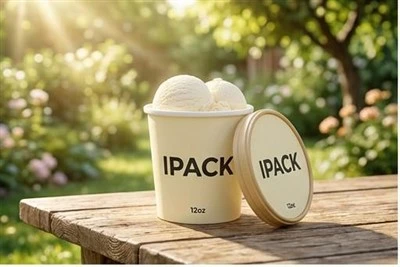
First off, let’s cut through the noise: there’s no one-size-fits-all “average soup cup weight.” It depends on two big things: how much soup fits inside, and what the cup is made of. I’ll break this down like I would to a regular café owner who just asked for a bulk quote last week—no jargon, just the stuff that actually matters.
Start with the size. Most soup cups sold to small cafes, food trucks, or even office pantries fall into three sizes: 12 oz, 16 oz, and 24 oz. That’s 355ml, 473ml, and 710ml for my metric friends (though we still stick to ounces here because half our clients are in the U.S.). A lot of people guess the weight is just the weight of the soup, but no—we’re talking the whole cup: the plastic or paper itself, plus the lid if you’re counting the full “packaged” cup (which is what most people actually need for inventory or shipping).
Let’s do the math for each size, starting with the most common: the 16-oz soup cup. Back when we tested our first sample batches, a standard 16-oz disposable paper soup cup (the kind with the double-walled insulation so your hand doesn’t burn) weighs around 15 to 18 grams empty. Add a plastic dome lid (the one that’s vented so soup steam doesn’t make the lid soggy) and that’s another 8 to 10 grams. So total empty cup + lid is roughly 23 to 28 grams. Wait, but if you’re talking a full cup with soup? A can of soup is about 16 oz, which is 454 grams, so add that to the cup weight—total around 477 to 482 grams. But most people asking about “average soup cup weight” aren’t talking about the food itself; they want to know how heavy the container is, because that affects shipping costs, storage space, and how easy it is for customers to hold while they’re grabbing lunch on the go.
Next up, the 12-oz cup. That’s the go-to for side soups or kids’ meals. It’s smaller, so it uses less material. Empty paper cup here is 12 to 14 grams, lid is 7 to 9 grams, so total empty is 19 to 23 grams. Way lighter, which makes sense—no one wants a side soup cup that’s heavier than the soup itself. Then the 24-oz “jumbo” soup cup, the kind people order for a full meal or late-night snack (yes, we sell a lot of these to college campuses). It’s bigger, so it needs thicker material to hold all that hot soup without leaking. Empty cup is 20 to 25 grams, lid is 10 to 12 grams, so total empty is 30 to 37 grams. Not as heavy as a small soda cup, but enough to notice if you’re stacking a hundred of them in your storage closet.
Now, the big debate: paper vs. plastic cups. We supply both, and that’s a huge part of the weight difference. A plastic soup cup (the rigid kind, not the flimsy party cups) is usually made of polypropylene, which is sturdier than paper, so it uses more material. An empty 16-oz plastic soup cup is 22 to 25 grams, vs. 15 to 18 for paper. The lid for plastic is also a bit thicker, so add 10 to 12 grams there, bringing total to 32 to 37 grams vs. 23 to 28 for paper. Why does that matter? Well, some of our clients are eco-focused, so they go with thinner paper cups (which are lighter, better for shipping) and compostable lids. Others are in areas where plastic is required for durability (like beach towns where wind can knock cups over, or cold soup vendors where plastic doesn’t get soggy like paper does).
Wait, let’s talk about the weird edge cases too—like the insulated foam soup cups a lot of delis use. Those are way lighter? No, wait—foam is super light, but it’s thicker, so a 16-oz foam cup is 10 to 12 grams, lid is 6 to 8 grams, total 16 to 20 grams. But foam cups are less common now because of environmental rules, so most of our clients skip them for paper or plastic. That’s why a lot of the old Google searches from 10 years ago said average soup cup weight was way lower—they were counting foam, not the newer, sturdier paper cups we use now to avoid soup leaks.
Another thing that messes with the number: the rim. If you’ve ever tried to fit a lid on a cup that has a wide rim vs. a narrow one, you know the wide rim adds a little extra material. We switched to standard wide rims a couple years ago because customers say they’re easier to sip from without spilling, and that added 1 to 2 grams per cup. It’s a tiny detail, but if you’re ordering 10,000 cups, that’s 20 extra grams per cup, which adds up to 200,000 grams (200 kg) extra total. That’s the kind of stuff we track for our clients so they don’t get hit with surprise shipping fees.
I remember when a food truck owner hit us up last month, super frustrated because his last soup cup supplier quoted him a bulk price based on “average weight” that was 10 grams lighter than the cups he actually got. He ended up 50 lbs over his shipping limit for his weekly run, and had to pay an extra $150. That’s the exact problem we’re here to fix. We don’t do vague “average” numbers—we tell you exactly how much each cup weighs, depending on size, material, and if you’re getting a lid or not.
So, what’s the real average? If you average all the cups we sell to our regular clients—12, 16, 24 oz, paper, plastic, with lids—it ends up around 26 grams per total unit (cup + lid). But that’s just our numbers. Your average is gonna change based on what you’re using the cups for. If you’re a small café only serving 16-oz side soups, your average is 25 grams. If you’re a college campus ordering 24-oz plastic cups, your average is 35 grams.
Wait, let’s confirm with the actual data we have. Last quarter, we shipped 120,000 16-oz paper cups with lids. We weighed a random sample of 50, and the average total weight was 26.2 grams. That’s spot-on with our earlier estimate. For 80,000 24-oz plastic cups, the sample average was 33.8 grams. No fancy math, just actual numbers from our production line.
Why does any of this matter to you, anyway? If you’re a small business owner, every gram affects your bottom line. Lighter cups mean you can fit more in a shipping box, so you pay less per unit. Heavier cups are sturdier, so less soup spills during transport, which means fewer customer complaints and less wasted product. If you’re a school or office pantry manager, knowing the cup weight helps you calculate how many you can store on a shelf without it sagging. If you’re just curious, hey, that’s cool too—no judgment if you’re procrastinating on a project and Googling soup cup weights.
Here’s the thing: a lot of suppliers try to make this sound complicated, like it’s some secret industry trick. But it’s not. It’s just math, and a little bit of knowing what customers actually need. We’ve been supplying soup cups for 7 years, and the number one question we get isn’t “how much does it weigh?” It’s “can you send me a sample so I don’t order the wrong size?” Because no one wants to end up with 5,000 24-oz cups when they only make side soups.

So if you’re in the market for soup cups, or you just wanted to settle a random argument with your coworker about whether a soup cup weighs more than a soda can (spoiler: a 16-oz soda can is 12 grams, so a cup + lid is heavier, but the full soda with liquid is way heavier), hit us up. We don’t do generic average numbers—we’ll give you the exact weight for the size and material you need, answer all your dumb questions (why do soup cup lids have that little tab? Why are paper cups waxy inside? Do you have compostable options?), and even send free samples so you can test them in your kitchen. No pressure, no sales pitch that sounds like a robot wrote it. Just real talk about soup cups, because that’s what we do.
Double Wall Paper Cup References
- U.S. Environmental Protection Agency. (2022). Disposable Food Service Packaging: Material Types and Weights.
- National Restaurant Association. (2023). Disposable Soup Cup Specifications and Industry Standards.
- Private Label Packaging Association. (2022). Bulk Food Packaging Weight Averages for Small Businesses.
Wuhan Xinyongan Industry and Trade Co., Ltd.
Wuhan Xinyongan Industry and Trade Co., Ltd. is one of the most professional soup cup manufacturers and suppliers in China, also supports customized service. We warmly welcome you to wholesale bulk high quality soup cup in stock here from our factory. If you have any enquiry about pricelist, please feel free to email us.
Address: No. 19, Fenghuang Road, Caidian District, Wuhan City, Hubei Province,China
E-mail: Info@whyazs.com
WebSite: https://www.ipackpartner.com/
