If you’ve spent any time working in industries where wire and cable safety is non-negotiable—think aerospace, telecommunications, construction, or energy—you already know that a wire cable flammability tester isn’t just a piece of lab equipment. It’s the tool that verifies whether a cable will resist combustion long enough to prevent a small flame from turning into a catastrophic fire. Over the years, as a supplier who’s installed, calibrated, and maintained these testers in facilities across North America, I’ve seen firsthand how even the smallest oversights in the tester’s reliability can lead to wasted time, failed audits, and even life-threatening safety gaps. A client in the renewable energy sector once told me they almost missed a federal compliance audit because their tester had a faulty burner alignment, leading to inconsistent test results that delayed their certification. That experience stuck with me, and it’s why I want to break down exactly how you can ensure your wire cable flammability tester works when you need it most. Wire Cable Flammability Tester
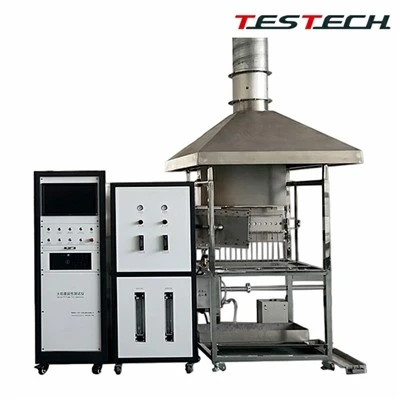
First, let’s start with the foundation: choosing a tester built for reliability, not just a low upfront cost. As a supplier, I’ve seen companies cut corners on materials to undercut competitors—plastic burner bases that warp at high temperatures, cheap gas flow regulators that drift over time, or calibration sensors that aren’t traceable to national standards. The most common mistake clients make is picking a tester that meets the minimum of IEC 60332-1 or UL 1581 standards, but doesn’t include the built-in redundancies that make consistent testing possible. For example, a good tester should have a solid stainless steel test chamber that resists thermal expansion—plastic chambers will shift every time you run a test, throwing off the flame position relative to the cable sample. It should also feature a flame sensor that automatically monitors flame height, instead of relying on manual checks that can miss small drifts. I always advise clients to ask potential suppliers for a full breakdown of component specifications: what burner material is used? Is the gas pressure regulator traceable to NIST standards? Does the tester have a built-in alarm if flame height drops below the required range? These details aren’t just technical—they’re the difference between a tester that runs reliably for 10 years and one that needs replacement every two.
Next, routine calibration isn’t a “one-and-done” task—it’s a weekly, monthly, and annual ritual that keeps your tester accurate. I’ve had clients tell me they calibrate their tester once a year, right before their audit, but that’s a mistake. Flame height drifts over time, gas lines develop small leaks, and sensors degrade even if the tester isn’t used every day. Let’s break down a practical calibration schedule that works: weekly checks should include verifying flame height. For most standard tests, IEC 60332 requires a flame height of 100mm to 120mm, and a simple way to check this is with a metal ruler placed next to the burner tip (make sure the tester is turned off and cool first, of course—never do this when the burner is lit). If the flame is too short, adjust the gas valve slightly; if it’s too tall, check for restrictions in the gas line. Monthly calibration should focus on gas flow rate. Use a calibrated gas flow meter to ensure the flow is within the range specified by your tester’s manual—usually between 10 L/min and 15 L/min for natural gas. This is critical because a flow that’s too low will produce a weak flame that might extinguish before the test ends, while a flow that’s too high can create a turbulent flame that doesn’t properly expose the cable. Annual calibration, which should be done by a qualified technician, includes checking the thermocouple that monitors chamber temperature (for tests that require a specific ambient temperature, like UL 1581’s VW-1 test) and verifying the timer accuracy. I once had a client who ran a test for 15 seconds instead of the required 60 seconds because their timer was off by 30%, leading them to pass a cable that actually wouldn’t resist flame for the full required duration. That’s a costly mistake that an annual calibration would have prevented.
Then there’s proper sample preparation and test setup, which many people underestimate as a factor in tester reliability. Even if your tester is perfectly calibrated, a bad sample or setup can give you incorrect results, making it seem like the tester is faulty. For example, when preparing cable samples for a vertical flame test, it’s essential to cut samples exactly to the specified length—usually 600mm for IEC 60332-1. If a sample is too short, the flame might not reach the required portion of the cable, leading you to think it’s less flammable than it actually is. Another common mistake is not securing the sample properly in the clamp. If the cable is wobbly during the test, the flame can shift, creating an uneven burn. I always tell clients to inspect the clamp before each test: make sure the jaws are tight, and the sample is centered so the burner is positioned 10mm from the bottom of the sample, as required by standard tests. Also, don’t forget about environmental conditions in the test space. A tester located near a window with a draft will have inconsistent airflow around the flame, which can change how the cable burns. If your lab has variable ventilation, consider installing a small shield around the test chamber to block drafts, or schedule tests when the lab’s HVAC system isn’t cycling heavily. One of my long-term clients, a large construction company, used to get inconsistent results until they realized their tester was in a room that got cold at night—overnight temperature drops affected the gas density, leading to lower flame height. They moved the tester to a climate-controlled room, and their results were immediately consistent.
Preventive maintenance is the unsung hero of tester reliability. Just like a car needs oil changes and tire rotations, a wire cable flammability tester needs regular upkeep to avoid breakdowns. Let’s go over key maintenance tasks: first, cleaning the burner tip. Over time, carbon buildup from gas combustion can clog the burner, leading to a weak or uneven flame. I recommend cleaning the burner tip after every 20 test runs, using a soft brass brush (never a metal wire brush, which can scratch the tip) to gently remove carbon. If the burner is clogged badly, use a small wire (like a paperclip, but make sure it’s clean) to clear the gas orifices—just be careful not to bend the burner tip. Second, checking gas lines and connections. Inspect the rubber or plastic gas hoses monthly for cracks, leaks, or wear, and tighten any loose fittings. Even a small leak can lead to inconsistent gas flow, so it’s a good idea to test for leaks with a soapy water solution—spray it on fittings, and if bubbles form, there’s a leak that needs fixing. Third, replacing worn parts. The rubber seals in the test chamber door, for example, degrade over time, leading to heat loss that can affect test results. Most seals last 2 to 3 years, so keep a spare on hand and replace it when it shows signs of cracking. The flame sensor, which is a small part but critical for automatic monitoring, should be replaced every 5 years—even if it seems to be working, sensors degrade and can give false readings after that point. I once had a client skip replacing their flame sensor, and the tester stopped alerting them when the flame went out during a test. They didn’t notice until they reviewed their test logs, and by then, they had run 10 tests with faulty results that almost caused a product recall. That’s why preventive maintenance isn’t just about fixing things—it’s about avoiding costly mistakes before they happen.
Finally, record-keeping is a key part of ensuring tester reliability, especially if you work in a regulated industry. Auditors don’t just care about passing a test—they want to see that your tester was properly calibrated and maintained every time you ran a test. I advise clients to keep a log that includes: the date of each test, the flame height verified before the test, the gas flow rate, any maintenance done after the test, and calibration dates. This log doesn’t have to be complicated—a simple spreadsheet works—but it needs to be accurate. For example, if an auditor asks to see how you verified flame height for a test run last month, you should be able to pull up the exact ruler reading you took, not just say “it looked right.” Record-keeping also helps you spot trends over time. If you notice that every time the gas flow is below 12 L/min, your test results are inconsistent, that’s a sign your regulator is starting to fail and needs to be replaced. Or if you see that after cleaning the burner tip, your flame height stabilizes, you know you should clean it more frequently. This data is invaluable for keeping your tester reliable and for making sure you’re meeting all compliance requirements.
As someone who’s built a career around supplying wire cable flammability testers, I can tell you that reliability isn’t something that happens by accident. It’s the result of choosing quality components, following a strict calibration schedule, preparing samples correctly, doing regular maintenance, and keeping detailed records. I’ve seen too many companies cut corners on these steps, and the cost has been missed audits, failed products, and even safety incidents. But when you take the time to invest in these practices, your tester won’t just be a piece of equipment—it’ll be a tool you can trust to keep your products and your people safe.
If you’re looking to upgrade your current wire cable flammability tester, troubleshoot inconsistent results, or schedule a calibration service for your existing equipment, I’m here to help.
Transportation Material Flammability Tester References
- International Electrotechnical Commission. IEC 60332-1:2018, Tests on Electric Cables – Flame Tests for Cables Mounted in a Vertical Position – Part 1: Single Vertical Insulated Wire or Cable.
- Underwriters Laboratories. UL 1581:2020, Standard for Reference Standard for Electrical Wires, Cables, and Flexible Cords.
- American Society for Testing and Materials. ASTM D5025-19, Standard Test Method for Measuring Flame Propagation of Vertical Bundles of Electric Cable in a Vertical Position.
- National Institute of Standards and Technology. Calibration Guidelines for Gas Flow Meters and Flame Height Measurement Tools.
TESTech Instrument (Suzhou) Technologies
TESTech Instrument (Suzhou) Technologies is one of the most reliable wire cable flammability tester manufacturers and suppliers in China. If you’re going to wholesale durable wire cable flammability tester, welcome to get quotation from our factory. For price consultation, contact us.
Address: 8/F, R&D and Production Workshop No. 5, Jiangsu Guoqian Technology Innovation Industrial Park, 168 Lüliangshan Road, Huqiu District, Suzhou, Jiangsu Province, China
E-mail: sales@testech.com.cn
WebSite: https://www.testechfiretest.com/
