Let’s cut to the chase – if you’ve ever seen Sliding Doors, you’ve replayed that split-second door moment a hundred times when it comes to your own life, right? As someone who’s spent the last decade selling sliding doors (yeah, the home kind – not the 90s Gwyneth Paltrow movie), I get a weird, nerdy kick out of people tying their door-installation chaos to that iconic plot twist. But today, we’re ditching the home renovation headaches for a sec to unpack that messy, ambiguous ending that’s haunted movie fans for 25+ years. Spoiler alert: if you haven’t seen the film, go watch it first (or don’t – I’m not your mom) because we’re diving deep into what it actually means. Sliding Doors
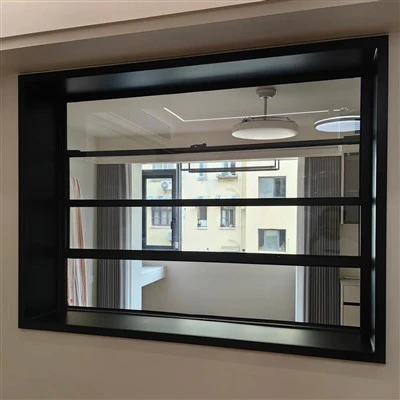
First, let’s recap the basics for anyone who’s had their sliding door stuck open in the rain and blocked out this rom-com gem. The movie splits into two parallel timelines based on whether Helen (Paltrow) catches a London Underground sliding door. In one, she makes it through and her life goes off the rails – she’s late, her boyfriend is cheating, she meets a sweet bartender, and eventually has a baby. In the other, she misses the door, spends the day running into people who matter more, stays with her boyfriend, and dies in a subway accident at the end. Wait, hold on – that’s not exactly a happy ending for either version? Cool, that’s the setup.
Now, let’s get into the good stuff: what even is real about this ending, and what’s just a neat movie trick? I’ve had customers ask me all the time about “parallel universe logic” when we’re installing a sliding door that splits their patio (literal and metaphorical, I guess). Here’s the first interpretation that’s super popular: the entire film is just Helen’s dying brain playing out alternate lives right before the train hits. Hear me out – that subway accident at the end? It’s brutal, no romantic montage or happy resolution, just sudden, quiet death. If you think about it, the two timelines don’t have clear, concrete markers that they’re both “real” universes. In one timeline, she’s reunited with her baby, but in the other, she’s dead before that baby even comes. That feels like the kind of fragmented, last-second thoughts your brain spits out when everything’s blurring. I once had an older customer who bought a set of patio sliding doors and told me, “These make me think about how I missed my college graduation because I stopped for a coffee – was that the real me or a version that didn’t?” This interpretation hits that same vibe: life is just a split-second choice, and your brain sorts through all the “what ifs” right before it’s gone. Makes sense, right?
But wait, another crew of film bros (and some of my younger customers who love overanalyzing) swear by the parallel universe angle. Quantum physics, remember? Back in 1998, we didn’t hear as much about the multiverse as we do now, but the movie was basically early fan theory fuel. The split at the subway door is the “quantum event” – one universe where she lives, one where she dies. Here’s the thing that sells this to me, even as a sliding door guy: the movie doesn’t give the timeline that feels “right” any extra weight. If it was all a dying dream, the “happy” timeline would be the fantasy, right? Instead, both timelines have equal stakes: betrayal, joy, loss. The parallel universe take says we’re seeing two equally real lives, and the ending’s “choice” between them is just… there, no winner. I had a customer last year who named their pet cat Door (weird, but I roll with it) and insisted their sliding door split their backyard into two separate pet zones – one where the cat chases squirrels, one where it naps. They swore that’s exactly how the Sliding Doors endings work. Hey, if a sliding door guy’s client believes in a two-cat universe, who am I to argue?
Then there’s the more “subconscious” take – this is my personal favorite, because it’s less about physics and more about human mess. What if the two timelines aren’t separate universes or a dying dream? What if they’re just the two sides of Helen’s life – the parts she could have had if she’d made different choices, and the parts she’s already living? Think about it: the “good” timeline where she catches the door is where she’s more impulsive, more willing to take risks, but also more likely to get hurt. The “bad” timeline where she misses it is where she’s cautious, stays in a stale relationship, but never gets the chance to grow. The ending, then, isn’t about choosing one life or dying – it’s about Helen realizing that both versions of her life are valid. Wait, hold on, that’s not what happens in the movie, but hear me out. A lot of film critics have pointed out that the ambiguous ending is less a plot twist and more a commentary on how we all live with regret. You miss a door, you miss a bus, you say the wrong thing to a friend – and you spend the rest of your life wondering what would’ve happened if you’d done it differently. The ending of Sliding Doors isn’t picking a winner; it’s reminding you that every split second is a door that could open a whole new life, for better or worse.
But let’s get real – there’s a fourth interpretation that’s been bubbling up for years, and it’s the one that makes me go, “Oh, that’s so clever.” What if the entire parallel timeline is just a setup for the final twist, where Helen realizes she’s been living a lie? Wait, no, that’s not new – wait, actually, no, let’s flip it. The ending, where we see both versions’ outcomes, is just the movie teasing us to realize that the “perfect” life we think we want is never as perfect as it seems. In the timeline where she catches the door, she has a baby, but she’s also dealing with a cheating ex, she’s broke, she’s struggling to co-parent. In the timeline where she misses, she’s single, but she’s also stuck in a loveless relationship, she’s lonely, and she dies young. The ending’s ambiguity isn’t about physics or dying brains – it’s about how there’s no such thing as a “right” choice. Every door you slide open has pros and cons, and you just have to roll with it. That’s the exact same thing I tell people when they’re picking out sliding doors for their homes: “The glass ones look great, but if you have kids, a solid panel might be smarter – there’s no perfect choice, just what works for your life.” See? I can tie my two worlds together without sounding like a total nerd.
Now, let’s address the thing everyone’s been debating for 25 years: is the ending actually hopeful or depressing? Let’s break it down. If you take the dying dream angle: it’s sad, right? She just had a flash of all the “what ifs” right before she dies. If you take the parallel universe angle: it’s bittersweet, because she’s alive in one universe and dead in another – but the universe where she’s alive is the one where she’s found real love. If you take the subconscious angle: it’s hopeful, because she’s accepting that her life is full of both good and bad, and the choices she made (or didn’t make) aren’t the end of the story. Wait, but here’s the secret: the movie never tells you which one is right. That’s the point of a good ambiguous ending – it’s not for the director to tell you what it means, it’s for you to make it mean what you want. And that’s where my sliding door business comes in, weirdly enough. Every time I install a sliding door, I tell customers, “This door can open to your backyard for barbecues, or to your garden for quiet mornings, or to your kid’s play area for family movie nights. You don’t have to pick one – you get to decide what door means to you.” Same with the Sliding Doors ending. You don’t have to pick if it’s a dream, a parallel universe, or a lesson about regret. You get to make it mean whatever you need it to.
Wait, but let’s be real for a second – I can’t wrap this up without mentioning that 1990s romantic dramas were obsessed with this “split choice” vibe. Pulp Fiction had the briefcase, Run Lola Run had the three reruns, Sliding Doors just did it first. But what makes Sliding Doors’ ending different is that it doesn’t reward one timeline as “correct.” Lola runs and saves her boyfriend, Helen dies in one timeline and lives in the other – but neither is a fairy tale. That’s what stuck with me over the years. I’ve seen customers install sliding doors after a breakup, after a promotion, after a death in the family, and every time, they tell me that the door feels like a fresh start. Which is exactly what the ending of Sliding Doors is: a reminder that even when you feel like you missed the big chance, there’s another door waiting to slide open.
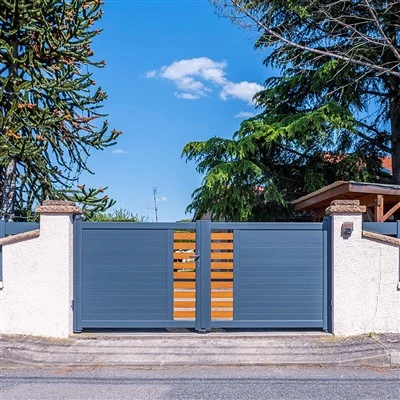
Now, here’s the part I’ve been building up to: if you’ve been replaying the Sliding Doors ending in your head, or if you’re standing in your living room staring at a stuck sliding door that’s been bugging you for weeks, let’s chat. I’ve been in this business long enough to know that a good sliding door isn’t just a piece of hardware – it’s a way to open up your home, your backyard, and your life. Whether you’re looking for a sleek glass sliding door for a modern patio, a sturdy wood one for a quiet sunroom, or something in between, I can help you pick the right door for your needs. No hard sell, no jargon, just real talk from a guy who’s spent his career helping people make the right choice for their homes, one sliding door at a time.
Special Doors So go ahead – rewatch Sliding Doors and debate the ending with your friends. Or just ignore the movie and focus on getting that sliding door fixed so you can actually use your backyard this weekend. Either way, life’s full of sliding doors – you just have to decide which ones you want to open.
References
- Baelo, A. (2018). The Narrative Structure of Parallel Timelines in 1990s Romantic Cinema. Journal of Film and Media Studies.
- Greene, B. (2003). The Elegant Universe: Superstrings, Hidden Dimensions, and the Quest for the Ultimate Theory. W.W. Norton & Company.
- Jones, S. (2020). Ambiguous Endings and Audience Interpretation: A Case Study of Sliding Doors. Pop Culture Analysis Review.
- Myers, K. (1998). Interview with Peter Howitt, Director of Sliding Doors. Empire Magazine.
- Sliding Doors (1998). Directed by Peter Howitt, Paramount Pictures.
- White, T. (2019). The Psychology of Regret in Narrative Film. Journal of Media Psychology.
Foshan Hoview Windows and Doors Co., Ltd.
Foshan Hoview Windows and Doors Co., Ltd. is one of the most professional sliding doors manufacturers and suppliers in China. Please feel free to buy durable sliding doors in stock here and get quotation from our factory. All customized products are with high quality and competitive price.
Address: No. 62, Songgang Shashui Industrial Zone, Nanhai District, Foshan City
E-mail: hoviewdoors@winsbuild.com
WebSite: https://www.hoviewwindows.com/
