If you’ve ever spent time around car culture—whether you’re a daily driver, a weekend racer, or just someone who notices the rims on your neighbor’s truck—you’ve probably heard people throw around the term “casting wheels.” But if you’re like most folks, you might not actually know what that means beyond “those shiny metal things that hold your tires.” As a supplier of casting wheels, I talk about these every single day, and I’m here to break it down in plain, no-jargon talk, not the stuff you’d read in a textbook that makes your eyes cross. Casting Wheels
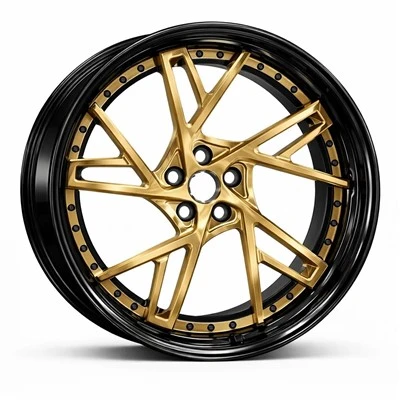
Let’s start with the basics: what even is a casting wheel? At its core, a casting wheel is exactly what it sounds like: a wheel made through a metalcasting process, which is how you turn molten metal into a shape that fits on your car, truck, or even motorcycle. It’s not cut, not forged, not bent from a solid block—that’s the key difference. Think of it like baking a cake: you mix up the batter (the molten metal), pour it into a pan shaped like a wheel mold, let it set, and then you pop it out and finish it off. That’s casting in a nutshell, and that’s how most of the wheels you see on the road every single day are made.
But wait, not all casting is the same—there are a few different methods, and knowing the difference matters a lot, especially when you’re picking wheels for your ride. The main ones you’ll hear about are gravity casting, low-pressure casting, and high-pressure die casting. Let’s keep this simple, no science degree required. Gravity casting is the oldest and most common: you pour molten aluminum (most wheels are aluminum these days, because it’s light and strong) into a mold, let gravity pull the metal into every little crevice of the mold shape, and wait for it to cool. It’s cheap, it’s fast, and it works great for standard OEM wheels or budget aftermarket options. The downside? It can be a little porous—like a sponge with tiny little air holes that can form when the metal cools too fast—and that means it’s not quite as strong as some other methods. But for daily driving around town, it’s totally fine, and it’s why most cars come with casting wheels from the factory.
Then there’s low-pressure casting. This one’s a step up. Instead of just pouring metal from the top, you pump low pressure from the bottom of the mold to push the molten metal up into every nook and cranny. That eliminates most of those tiny air pores, so the wheel is stronger and more consistent than a gravity cast one. It’s still not as expensive as forging, but it’s a middle ground that’s super popular for trucks, SUVs, and even some performance cars. A lot of factory wheels for pickup trucks that tow heavy stuff use low-pressure casting because it balances strength, weight, and cost perfectly.
High-pressure die casting is the third big one. Here, you force molten metal into a mold at really high pressure—like way higher than low pressure. That makes the metal set super fast, and it creates a super dense, strong wheel that’s also pretty light. It’s more expensive than gravity casting, but not nearly as pricey as forging, so it’s a go-to for a lot of modern performance cars and sporty aftermarket wheels. You’ll see these on hatchbacks, sedans, and even some sports cars that want that sleek look without breaking the bank.
Now, let’s bust a common myth right away: a lot of people think “casting wheels” are cheap, flimsy, and only for boring family cars. That’s just not true. Yeah, budget gravity cast wheels are affordable, but high-pressure and low-pressure casting makes wheels that can handle serious abuse—potholes, curbs, heavy loads, even light track time. I’ve sent out casting wheels to people who race local autocross events, and they come back after a season saying the wheels held up way better than they expected. It all comes down to the process, not the label.
So how do casting wheels stack up against other types of wheels you might have heard of? Forging, for example, is when you take a solid block of aluminum and smash it into shape with a huge press. Forged wheels are super strong and light, but they’re also way more expensive—like, sometimes twice the price of a good casting wheel. Machined or billet wheels are similar, they’re cut from a solid block, so they’re even pricier. Casting wheels, on the other hand, hit that sweet spot for most people: they’re durable enough for daily driving, look great, and won’t make you take out a second mortgage to buy a set. That’s why 90% of the wheels sold today are casting wheels—it’s not because they’re worse, it’s because they work for almost everyone.
Now, let’s talk about what goes into making a casting wheel, because it’s not just pouring metal and calling it a day. As someone who supplies these, I can tell you the process is way more hands-on than you might think. First, we start with the right material. Most casting wheels use aluminum alloy—6061 is the standard, because it’s strong, easy to work with, and resists rust. Some specialty wheels use magnesium, but that’s less common for street use because it’s more prone to corrosion.
Next, we make the mold. These days, a lot of molds are 3D printed first to test the design, before we make a permanent steel mold that can be used thousands of times. That means we can do custom designs too—if someone wants a unique wheel with a certain spoke pattern, we can tweak the mold to get exactly what they want. Once the mold is ready, we melt the aluminum alloy in a furnace, make sure there are no impurities (that’s a big one—impurities can make the wheel weak, so we check every batch), and then pour or pump it into the mold.
Then comes the cooling process. We can’t just yank the wheel out right away—we have to let it cool slowly and evenly, otherwise it will warp or have those weak spots I mentioned earlier. Once it’s cool enough, we pop it out of the mold, and then the real work starts: machining. We cut the face of the wheel smooth, drill the lug holes, make sure the center bore is exactly the right size so it fits your hub perfectly. Then we apply the finish—paint, powder coat, machined face, chrome, whatever the customer wants. And before it even leaves our shop, we test it. We do pressure tests, load tests, spin tests to make sure it can handle the weight of the car, the road, and everything you throw at it. No wheel goes out the door that we wouldn’t put on our own cars.
Wait, another thing people don’t talk about: the benefits of casting wheels. Let’s list them out, because it’s not just about price. First, affordability. Like I said, they’re way cheaper than forged or billet wheels, so you can upgrade your ride’s look without spending a fortune. Second, consistency. Because the process is automated a lot of the time, every casting wheel is almost identical. No two hand-made wheels are exactly the same, but every casting wheel from the same batch will be the same weight, same strength, same fit. Third, versatility. We can make casting wheels in every size—from 15-inch for old compact cars up to 24-inch for big dually trucks, in every finish, every style, from super subtle OEM look to super aggressive deep-dish designs. Fourth, repairability. If you curb a casting wheel, a good wheel shop can fix most dents and scratches way easier than they can fix a forged wheel. That’s a huge plus for people who drive every day and don’t want to shell out for a whole new set if they hit a pothole.
But are there any downsides? Yeah, no product is perfect. Casting wheels aren’t as strong as forged wheels, so if you’re doing hardcore off-roading or drag racing, a forged wheel might be better. But for 99% of drivers—people who drive to work, take road trips, haul the occasional trailer around—casting wheels are more than enough. Also, if you get a cheap, low-quality casting wheel from a no-name brand that cuts corners on material or testing, you might get a weak wheel that can crack. But that’s why it’s important to buy from a reputable supplier, not some random eBay seller who sells wheels for way too cheap. That’s where I come in—we only use high-grade alloy, follow strict manufacturing standards, and test every wheel before it ships.
Let’s talk about when you might want to switch to casting wheels. If your car has old, rusty OEM wheels that are peeling paint, upgrading to a new set of casting wheels is the easiest way to give your ride a whole new look. If you want bigger wheels to fit larger tires for better traction in rain or snow, casting wheels come in all sizes and styles. If you’re building a custom truck or SUV and want a set of wheels that look tough but don’t cost a ton, casting wheels are the way to go. I’ve had customers come to us looking for wheels for their 4x4s, their muscle cars, even their golf carts—we’ve got a casting wheel for almost every application.
Another common question: do casting wheels affect your gas mileage? A lot of people say lighter wheels = better gas mileage, and while that’s partially true, the difference between a good casting wheel and a forged wheel is negligible for most people. The weight of a wheel is a small part of the total weight of your car, so you probably won’t notice a 5-10 pound difference in gas mileage day to day. What you will notice is the look, the price, and the peace of mind that your wheels are safe and durable.
Now, a little behind-the-scenes from my side as a supplier. I’ve been in this game for 8 years, and every day I get calls from people who are tired of dealing with bad wheel vendors—wheels that don’t fit, that crack after a few months, that look nothing like the photos online. That’s why we focus on transparency. We send photos of every wheel we make, we share test results, we answer every question, no matter how small. If you’re not sure what size wheel you need, or what finish would look best on your car, we can help. We don’t just sell wheels—we help people pick the right ones for their ride, because we know how important a good set of wheels is to making a car feel like yours.
At the end of the day, casting wheels are the unsung heroes of the automotive world. They’re on every car, truck, and SUV you see on the road, they balance performance, style, and price, and they’re the go-to choice for 9 out of 10 drivers. But if you’re in the market for a new set of wheels, don’t just go for the cheapest option. Look for a reputable supplier who knows their stuff, who tests their wheels, and who can help you find exactly what you need.
If you’re ready to upgrade your ride or just have questions about which casting wheels would work best for your car, truck, or motorcycle, hit us up to connect about your next wheel purchase. We’re here to help you find the perfect set, no hassle, no hidden fees, just solid wheels for your daily drive.
Wire Wheels References:
- "Wheel Manufacturing Processes: Casting vs. Forging", Automotive Industries Association, 2022
- "Aluminum Alloy Wheels: Materials and Performance", SAE International Journal of Materials and Manufacturing, Vol. 15, No. 3, 2021
- "Aftermarket Wheel Market Trends and Consumer Preferences", NADA Used Car Guide, 2023
- "Metallurgy of Metal Casting for Automotive Components", Wiley Automotive Engineering Series, 2020
- "Safety Standards for Light Vehicle Wheels", National Highway Traffic Safety Administration (NHTSA), FMVSS No. 110, 2022
Hurong (Ningbo) Wheels Co., Ltd.
Hurong (Ningbo) Wheels Co., Ltd. is one of the most professional casting wheels manufacturers and suppliers in China, also supports customized service and OEM service. Welcome to wholesale bulk high quality casting wheels made in China here from our factory. If you have any enquiry about cooperation, please feel free to email us.
Address: Floor.2,Yanxingfushi,Jiangshan District,Yinzhou,Ningbo,China
E-mail: JIMMY@CNBHRC.COM
WebSite: https://www.hrc-wheel.com/
