Hey there, it’s Jake from By Material—you know, the go-to spot for builders and designers who actually care about what their projects are made of. Today, I’m breaking down something I get asked all the time at trade shows, via Slack DMs, even over cold coffee runs with architects: how do the materials we supply actually age over time? Like, not just the “it fades” surface-level stuff, but the gritty, real science that matters when you’re committing to a build that’ll last 20, 50, 100+ years. Let’s cut the jargon, no boring textbooks here—this is what I’ve learned from 8 years on the floor, testing samples in our workshop, and fixing a few oopsie calls from clients who skipped the fine print. By Material

First, let’s set the scene: I’m not a lab rat. I’m the guy who stays late wiping down metal samples with the same cleaning sprays contractors actually use, who sticks exterior wood planks on our warehouse roof to bake in the sun and sit through rainstorms (no, OSHA didn’t love that, but it worked). At By Material, we source everything direct—no middlemen cutting corners, no “premium” labels that just mean 2x the price. So when I talk about aging, I’m talking about the stuff you’ll actually install, not some fancy lab sample that never sees a job site.
Let’s start with the big one: our steel and aluminum products. You’ve seen weathering steel, right—those rusty walls that get that cool, uniform patina instead of flaking all over. For years, folks thought it just “rusted on its own,” but here’s the tea: it’s all about that chromium content. Our weathering steel has 4-8% chromium, which forms a tight, oxide layer when exposed to moisture and oxygen—like a skin that seals itself. But here’s the catch: if you live in a super salty area (think Florida coast, or a road that salts every winter), that patina won’t form right. The salt breaks down that oxide layer, so you’ll get uneven rust instead. We actually flag that on every spec sheet now, but a few years back, a contractor in Maine skipped that note and ended up with flaking steel on a hotel deck. Cost him $12k in fixes. Lesson learned. As for aluminum, most people think it never ages—but wait, it does. It forms a thin aluminum oxide layer too, but if you use the wrong cleaner (like those harsh oven cleaners), that layer gets stripped, and you’ll get pitting. I’ve seen a restaurant’s aluminum storefront turn dull gray in 2 years because their janitor used bleach instead of mild soap. We always send a little care kit with every aluminum order now—small thing, but it saves everyone headaches.
Next up, wood—our solid hardwoods and engineered lumber. This is where most people mess up, because wood’s a living material, not plastic. It swells, it shrinks, it moves. I always say: if you cut a plank to size in winter, it’ll shrink in summer. If you install it in a dry house, it’ll cup a little. But aging here is about decay and discoloration, not just movement. Our white oak, for example, has natural tannins that keep rot at bay, but if you don’t seal it within 30 days of installation, it’ll turn that gray, silvery hue (it’s called “silvering,” and it’s actually just the wood’s cells breaking down from UV light). Some clients love that look—we have a historic barn in Vermont that’s been silvered for 70 years. But if you want it to stay warm and golden, you need a UV-protective sealant. And softwoods like pine? They’re way more prone to mold if they’re in a damp area. I had a client in Seattle who used our pine for a bathroom vanity and didn’t vent the room—within a year, there was black mold along the bottom edge. We now add a note: “Not for continuous moisture exposure” on all pine, cedar, and spruce products. The last thing I want is someone’s dream kitchen turning into a mold lab.
Now, let’s talk concrete and composites. Wait, composite materials—our fiber cement, right? A lot of people think it’s indestructible, but no. It’s made of cement, cellulose, and fibers, so it can absorb moisture if it’s not installed right. I’ve seen a 5-year-old fiber cement siding on a house in Houston crack because the contractor didn’t leave a 1/8-inch gap between panels—no room for expansion, so when the heat hit, it split. Concrete, meanwhile, ages in two ways: good and bad. The “good” aging is carbonation—when CO2 from the air reacts with the cement, it gets stronger over time. But the “bad” is freeze-thaw cycles. If our concrete mix doesn’t have air entrainment (little bubbles to let water expand into), water gets in the cracks, freezes, and splits the concrete. We test every concrete batch for that, but I still see clients in Minnesota ignore our freeze-thaw rating and end up with pitted driveways after 3 years. We now include a quick guide on mix ratings with every concrete order—nothing fancy, just a line that says “for -20°F temps, get Type III mix.” It’s saved so many returns.
Wait, let’s get to something a lot of newer clients ask about: reclaimed materials. We have a line of reclaimed barn wood and steel from old factories. That’s the fun stuff, but it ages different. Reclaimed steel already has a patina from its first life, so it’ll just keep mellowing—no new rust. But reclaimed wood? It might have old nails, lead paint, or even mold from its previous home. We do a deep clean and test for contaminants, but once it’s installed, it’ll age just like new wood—silvering, swelling, all that. A client in Brooklyn used our reclaimed beam for a loft ceiling, and 5 years later, it’s got that beautiful silver-gray patina that makes the space feel like it’s been there forever. That’s the stuff we live for—materials that carry a story, not just a number on a spec sheet.
Now, let’s talk mistakes I’ve made, because this isn’t just theory. Early on, I sent a order of steel siding to a client in Arizona, and I didn’t mention that the sun’s UV rays will fade the coating in 5-7 years. They got mad, thought we sold “bad material,” but it was just a fact I skipped. Since then, I put a “aging timeline” blurb on every product page—for steel, it’s “coating fades 5-7 yrs in direct AZ sun; weathering steel patina forms in 6-12 mos”; for wood, “silvering starts 12 mos post-install if unsealed”; for concrete, “carbonation increases strength for 50+ yrs if sealed annually.” Small, but it sets expectations.
Another thing: maintenance matters way more than people think. I had a client in Austin who installed our terrazzo floors 10 years ago. They didn’t seal them when they should have, and now there are stains from red wine and coffee. If they’d sealed them every 2 years, those stains wouldn’t be there. Terrazzo’s actually super durable—we’ve got a floor in a old library that’s been here since 1950, no cracks, just a little lightening in high-traffic areas. That’s because they kept up with maintenance. Same with metal: wipe it down with mild soap once a month, no harsh chemicals, and it’ll look new for decades. Skip that, and it’ll dull or pit fast.
Let’s wrap this up—because I know you’re here for actionable stuff, not just a rant about materials. Here’s the big takeaway for anyone working with By Material: aging isn’t a flaw, it’s a feature. The best materials are the ones that get better with time, not worse. But to make that happen, you need to know two things: 1) what your local climate does to your materials (salt, sun, cold, rain all change things), and 2) what maintenance they need. That’s why we’re not just suppliers—we’re people who answer questions at 9 PM when a contractor is panicking about a sample, who send care kits, who flag the stuff you might miss.
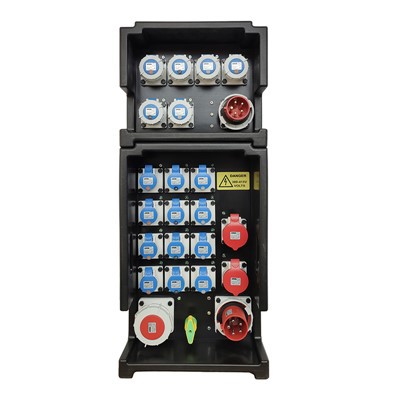
If you’re working on a project—whether it’s a backyard deck, a commercial building, a tiny home—don’t guess. Hit us up to chat through which materials will age the way you want. We’re not here to push the most expensive option; we’re here to match you with something that’ll last, that’ll look good, that fits your budget. No jargon, no upsells, just straight talk about materials that grow old with your project.
By IP Rating References:
- National Institute of Standards and Technology. (2021). Long-Term Performance of Construction Materials. U.S. Department of Commerce.
- American Wood Council. (2022). Wood Aging and Durability: A Practical Guide for Builders.
- Steel Construction Institute. (2020). Weathering Steel: Patina Formation and Environmental Factors.
- Fiber Cement Manufacturers Association. (2021). Exterior Composites: Aging and Installation Best Practices.
- Concrete Technology Forum. (2022). Freeze-Thaw Resistance in Concrete: Testing and Application.
Address: No.2 Yuyao Rd, Yuxin, Nanhu District, Jiaxing, China
E-mail: kevin@apekselectric.com
WebSite: https://www.powerdistros.com/
