Hey folks, if you’re running a warehouse, construction site, or any space that relies on diesel forklifts, you know the drill: a sluggish machine kills productivity, eats into fuel bills, and turns tight delivery windows into stress fests. As a diesel forklift supplier, I’ve spent years talking to operators who ask the same question over and over: “How do I get more oomph out of my diesel forklift without blowing a gasket or breaking the bank?” Today, I’m breaking down real, doable upgrades that actually work—no snake oil, no overhauls that cost more than a used unit. Let’s dive in. Diesel Forklift
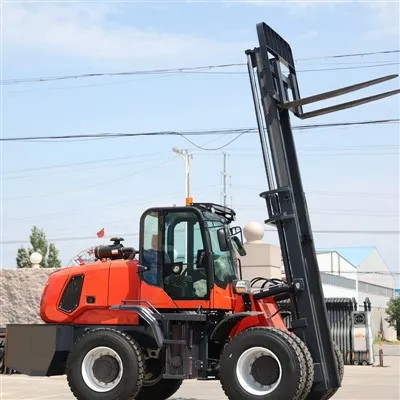
First, let’s get one thing straight: diesel forklifts are built to last, but their stock settings are tuned for compliance, not peak performance. Most factory engines are calibrated to meet emissions standards first, which often dials back power to keep exhaust low. That means there’s untapped potential you can unlock with smart, targeted changes—not a full engine swap, unless you’re dealing with a 20-year-old relic that’s on its last legs.
Let’s start with the easiest, cheapest win: the air intake system. Wait, I know what you’re thinking—“Air filter, right?” Yeah, but not just swapping a stock filter for a cheap knockoff. Stock air intakes are restrictive by design, and after a few years of dirt, dust, and warehouse debris, they clog up even more. A performance air intake kit (the kind we stock for our diesel forklifts) replaces that restrictive plastic tube and restrictive filter with a wider, smoother pipe and a high-flow cotton or foam filter. What does that do? More clean air gets into the engine, which means better combustion. I’ve seen customers test this upgrade and pick up 5-7% more torque, which is exactly what you need when hauling 5,000 lbs of pallets up a 10% grade. Pro tip: skip the cold air intake if you’re operating in dusty outdoor spots—warm air intakes pull from the engine bay (still better than stock) but don’t suck in hot, dusty air that’ll clog the filter faster.
Next up, the exhaust system. Stock exhausts are quiet, but they’re also restrictive—think a garden hose vs. a fire hydrant. A performance muffler or full exhaust header lets exhaust gases escape faster, so the engine doesn’t have to work as hard to push out spent fumes. Pair that with a cat-back exhaust (for non-regulated emissions areas, obviously—we always tell customers to check local laws before messing with emissions parts) and you’ll see another 3-6% gain in power, plus a deeper, less raspy sound. Don’t go crazy with a straight-pipe exhaust, though—too much flow can kill low-end torque, which is bad news for lifting heavy loads at low speeds. We’ve got a line of exhaust upgrades specifically for our diesel forklift models, and most customers install them in an hour with basic tools.
Now, the big one that scares a lot of operators: tuning the engine control unit (ECU). This is where the factory’s emissions tuning gets adjusted to unlock power, but it’s not as risky as it sounds if you go with a reputable tuner who specializes in diesel forklifts (not just pickup trucks). Most stock ECUs run a conservative air-fuel ratio to keep emissions low, but a good tune adjusts that ratio for optimal combustion, and can bump up fuel injection pressure and turbo boost (if you have a turbocharged diesel engine—most modern forklifts do). I’ve had a customer with a 2018 diesel forklift go from 60 hp to 72 hp after a tune, and his fuel economy actually went up by 8% because the engine isn’t working as hard to move the same load. Wait, fuel economy up? That’s not a performance win, that’s a double win. Just make sure you get a tune that’s built for forklift use, not street vehicles—forklifts idle a lot, operate at low RPMs, and deal with constant heavy loads, so a car tuner’s work will mess this up.
Turbochargers, if you have one, are another upgrade option. If your forklift has a small, stock turbo that spools late (meaning it doesn’t kick in until you’re already moving), a larger aftermarket turbo (still sized for forklift use, not trucks) can cut down on turbo lag and give you more low-end torque. This is a step up from a tune, so it costs more, but for operators who regularly haul heavy loads (7,000 lbs or more), it’s worth it. We see a 10-12% power gain with a good turbo upgrade, and it’s way more reliable than trying to force a stock turbo to do something it’s not built for. The key here is matching the turbo to your engine size—too big and you’ll get lag; too small and you won’t see a difference. That’s why we don’t just sell turbos; we work with customers to pick the right one for their specific forklift model and use case.
Don’t sleep on the little stuff that adds up. Things like replacing old, worn fuel injectors. Over time, stock fuel injectors get clogged or worn, so they don’t spray fuel in a fine mist, which means incomplete combustion. New high-flow fuel injectors (we stock these for most common diesel forklift brands) can improve atomization, so more fuel burns properly, giving you a noticeable boost in power and a cleaner burn that cuts down on carbon buildup. Another tiny upgrade: fuel additives. A good diesel injector cleaner with cetane boosters (we recommend a specific line we carry) can keep your fuel system clean, improve combustion, and add 2-3% more power without any installation. It’s like a tune-up in a bottle, and it works great as a quick fix if you’re dealing with a sluggish engine that’s never had its fuel system serviced.
Wait, but let’s talk about what NOT to do. I’ve seen customers blow thousands on stuff like nitrous oxide (seriously, who does that to a forklift?) or adding a bunch of extra “performance parts” that don’t work together. Nitrous is a bad idea because forklifts operate in enclosed spaces sometimes, and nitrous produces more exhaust fumes that can be toxic. Also, nitrous puts way too much stress on the engine, leading to blown head gaskets or cracked blocks—cost way more to fix than any power gain is worth. Another no-no: removing emissions components entirely, unless you’re 100% operating in a no-emissions-check area. Even then, a lot of cities and job sites require diesel engines to have certain emissions parts, so you’ll end up in hot water if you yank them. Stick to parts designed for forklifts, not race cars or pickup trucks.
Now, let’s tie this all together with a real example. Last month, a customer with a 2015 5,000 lb capacity diesel forklift came to me saying his machine was too slow to keep up with his warehouse’s shipping schedule. He was looking to upgrade, but buying a new forklift would have cost him $18k+. We suggested three upgrades: a high-flow air intake, a fuel injector cleaning service, and a basic ECU tune. Total cost was $1,200. A week later, he texted me saying his forklift now accelerates 20% faster, hauls pallets up the ramp without revving as hard, and his fuel bills went down because the engine is more efficient. That’s the kind of win we’re all about.
The other thing to remember: performance upgrades don’t have to mean sacrificing reliability. If you pick the right parts and install them correctly (or have a pro do it—we offer installation for all the parts we sell, by the way), your forklift will still last as long as it did before, just work better. The worst mistake people make is cutting corners on cheap, off-brand parts that break after 6 months and end up costing more in repairs.
Now, let’s get to the point: if you’re tired of your diesel forklift holding you back, we can help. We’ve been supplying diesel forklifts and performance upgrades for years, so we know exactly what works for different models and use cases. Whether you have a small warehouse in need of a quick tune-up or a construction site with heavy-lift forklifts that need a turbo upgrade, we’ll hook you up with the right parts, installation, and even ongoing maintenance tips to keep your machine running at peak performance. No guesswork, no overpriced garbage, just stuff that’s proven to work. Don’t let a sluggish forklift kill your productivity—reach out to us to talk through your needs, and we’ll put together a plan that fits your budget.
Electric Forklift References:
- National Institute for Occupational Safety and Health (NIOSH). (2021). Diesel Engine Performance and Maintenance for Industrial Lift Trucks.
- Industrial Truck Association (ITA). (2022). Performance Upgrade Guidelines for Diesel Forklifts.
- Automotive Engineering International. (2020). Aftermarket Performance Upgrades for Small Diesel Engines.
- Occupational Safety and Health Administration (OSHA). (2021). Emissions Compliance for Industrial Diesel Equipment.
- Forklift Performance Services. (2023). High-Flow Intake and Exhaust Upgrades for Material Handling Equipment.
Jining Sunsail Machinery Co., Ltd.
With abundant experience, we are one of the most professional diesel forklift manufacturers and suppliers in China. We warmly welcome you to buy high-grade diesel forklift made in China here from our factory. For price consultation, contact us.
Address: Room 410, Digital Industry Building, Rencheng District, Jining City, Shandong Province,China
E-mail: Sunsail_machinery@163.com
WebSite: https://www.sunsailmachine.com/
