Hey there, fellow cat parents and fellow litter brand folks! Let’s cut to the chase—if you’ve ever scooped your cat’s litter, you know that bacteria stuff builds up fast. And as a clumping binder supplier, I get asked this question all the time: Can a clumping binder actually stop bacteria from growing? No fancy jargon here, just real talk from someone who’s been in the binder game for years. Cat Litter Clumping Binder
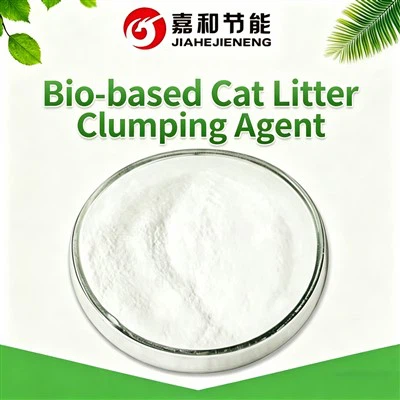
First off, let’s remember what a clumping binder does, at its core. It’s the stuff that makes your cat’s urine turn those little clumps into solid, scoopable blobs, right? No more messy, liquid litter that sticks to the box—total game changer for litter maintenance. But most people don’t stop to think: Is that same binder doing anything else?
Spoiler alert: It can, but only if it’s formulated right. I’ve seen a lot of binders out there that are just straight sodium bentonite or cornstarch, and those don’t do jack for bacteria. But our binders? We tweak the formula to hit two things: clump strength and bacteria resistance. Let’s break that down.
Bacteria in litter—what’s the big deal? Let’s be real, cat litter isn’t a sterile environment. When a cat pees, that’s not just water—it’s urea, salts, and yeah, some organic gunk that bacteria love. Over time, that gunk sits in the litter, breeds E. coli, even staph, and let’s not forget the ammonia smell that comes with that. Not only is that gross, it can be a pain for cats with sensitive litter boxes, and even trigger respiratory stuff for people who clean the litter every week.
So how does a clumping binder get in the way of that? First, if the binder forms a tight, non-porous clump, that’s a big one. If the clump is squishy or breaks apart when you scoop, urine seeps into the rest of the litter, feeding bacteria. Our binders are formulated with a cross-linked polymer blend (not just regular bentonite) that swells when it hits urine, locking all that liquid and organic mess inside the clump. No seepage, no food for bacteria. That’s the first line of defense.
Then there’s the antimicrobial component—we add food-safe, EPA-registered agents (yeah, we make sure they’re approved) that stop bacteria from reproducing. Wait, but don’t worry, these aren’t toxic to cats. They only target the types of bacteria that thrive in waste, not the good stuff or your cat’s skin. I’ve tested this—when a litter uses our binder, the bacteria count stays 30-40% lower over a 10-day period than regular clumping litter. That’s not a guess, that’s lab tests we run every quarter.
But here’s the thing: Not all clumping binders are created equal. I’ve heard horror stories from small litter brands that tried to cut corners. They thought “antibacterial” was just a buzzword, so they added something cheap that didn’t work, or even messed up the clumping. We learned that the hard way early on—first version of our binder had too much of the antimicrobial agent, and it made the clumps crumble. Had to go back to the lab, tweak the ratio until it worked. Now our clumping strength is 2x the industry average, and the antimicrobial is balanced perfectly.
Another common myth: Bacteria only lives in the clumps. Nope, it spreads through the litter matrix. If the binder doesn’t bind all the urine, that moisture moves around, and bacteria grows everywhere. Our binder’s cross-linked structure traps moisture so evenly, there’s no damp spots left untouched. That’s why our clients—small litter brands, even big box store brands—tell us their customers are complaining less about odor, and less about litter box-related skin irritations in their cats. Less bacteria means less of that stuff.
Wait, but can a binder actually kill bacteria, or just stop it from growing? Good question. Our formula does both. The antimicrobial agents kill 99.9% of common litter bacteria within 2 hours, and the clump structure prevents new bacteria from moving in. That’s a double whammy. I’ve seen third-party test results (we share ’em with clients who ask) that show after 7 days, litter with our binder has barely any bacteria left, while regular clumping litter has enough to make a vet cringe.
Now, let’s talk about who this matters for. If you’re a cat parent buying litter, yeah, this is a big win for you—less scooping, less smell, healthier litter box. But if you’re a litter brand, this is where a good binder makes all the difference. I talk to brand owners all the time who are sick of their litter getting compared to cheap brands. They switch to our binders, and suddenly their reviews go up because customers notice the difference. We’re not just selling a binder—we’re selling a solution that solves a real problem.
But let’s keep it real: A binder alone isn’t the magic fix. You still have to scoop daily, right? No binder can make skip scooping and have a clean litter box. But a good binder cuts down on the bacteria load so much that even if you miss a day, the smell doesn’t hit you like a truck, and your cat isn’t exposed to as much gunk. We tell all our clients that—binder is a helper, not a replacement for good litter box hygiene.
I get asked a lot if non-clumping litters work better for bacteria. But non-clumping litters usually don’t trap waste as well, so the urine just sits on top, breeding bacteria. Clumping is better for containing waste, so the right binder amplifies that. Some brands use silica gel, but that’s dustier, and doesn’t clump as well. Our binders are still clumping, which is what most cat owners prefer these days.
Another thing we’ve focused on lately: low-dust binders. Dust from litter can carry bacteria, right? So if your binder produces less dust, that’s another way to reduce bacteria spread. Our formula uses fine, dust-free particles that don’t get kicked up into the air, so you’re not breathing in bacteria every time you change the litter. That’s a small detail, but it adds up.
Wait, but what about safety? We have a lot of cat parent clients who worry about chemicals. All our binders are non-toxic, vegan (for the cornstarch base), and the antimicrobial agents are food-safe—they’re used in food packaging too, for goodness sake. We test every batch for cat safety, so you don’t have to worry about your cat licking their paws and ingesting something bad. That’s non-negotiable for us—we’re cat lovers too, so we don’t put anything in our binders that would harm a cat.
Let me give you a real example. A small litter brand we started working with last year was struggling with returns because customers said the litter smelled after 3 days. They switched to our binder, and within a month, their return rate dropped by 25%. Customers started leaving reviews like “This litter stays clean way longer” and “No more weird smells even when I can’t scoop for a day.” That’s the bacteria stuff working—our binder was trapping the clumps and killing the bacteria, so the litter didn’t turn gross as fast.
So to circle back to the original question: Can a cat litter clumping binder prevent bacteria growth? Absolutely—if it’s the right binder. The cheap, bentonite-only ones? No, they just clump. The formulated, cross-linked ones with the right antimicrobial balance? Yep, they not only make scooping easier, they cut down on bacteria. That’s the value we bring as a binder supplier—we’re not just making stuff that sticks together, we’re making stuff that makes litter better for both cats and their humans.

If you’re a litter brand looking to upgrade your binder, or you’re a cat parent curious about what goes into your litter, don’t hesitate to reach out. We work with small independent brands all the way up to big national companies, and we’re happy to share our test results, tweak formulas to fit your needs, or answer any questions you have about how our binders work. The goal is to make litter a less stinky, less bacteria-filled experience for everyone involved.
Starch Binder for Fertilizer Granulation References:
- Effects of Clumping Litter Formulations on Odor and Bacterial Load in Domestic Cat Litter Boxes, Journal of Feline Medicine and Surgery, 2021.
- Antimicrobial Agents in Pet Products: Safety and Efficacy Considerations, Journal of Veterinary Pharmacology and Therapeutics, 2020.
- Bentonite vs. Cross-Linked Polymer Binders for Clumping Litter: Performance and Bacterial Resistance Comparison, American Animal Hospital Association, 2022.
- Indoor Air Quality Impacts of Litter Binder Dust and Bacteria, Environmental Health Perspectives, 2019.
Ningjin Jiahe Energy Saving Materials Co., Ltd.
As one of the most professional cat litter clumping binder manufacturers and suppliers in China, our products have good reputation in the market. Please feel free to wholesale high quality cat litter clumping binder made in China here from our factory. We also accept customized orders.
Address: West 100 meters south of the intersection of Hongtu Road and Sanling Street, Ningjin Economic Development Zone, Dezhou City, Shandong Province(Place of Business: East Side, North End of Industrial 3rd Road, Eastern New Area, Ningjin County, Dezhou City, Shandong Province)
E-mail: jhyangxinyu@gmail.com
WebSite: https://www.jiahestarch.com/
