Hey there, thanks for stopping by my little corner of the web— I’m Jake, and I’ve been supplying casement doors to homeowners, contractors, and renovators across the Midwest for almost 10 years now. If you’ve ever walked through a home improvement store or scrolled Zillow at 2 a.m., you’ve probably wondered: do casement doors actually make your home worth more? I get this question at least a dozen times a week, and honestly, it’s one of the most common (and most important) ones folks ask when they’re weighing upgrades. Today, I’m breaking this down like I do with every client—no fancy jargon, just real talk, actual data, and what I’ve seen move the needle on home values over a decade in this game. Casement Doors
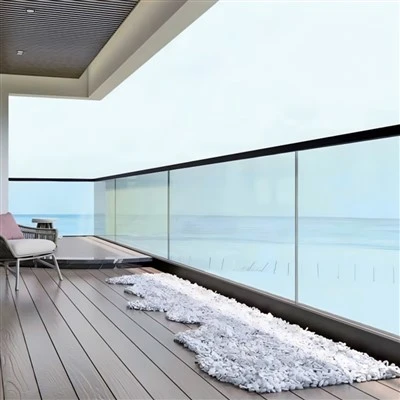
First off, let’s get one thing straight: value in real estate isn’t just about square footage or granite countertops. It’s about things that matter to both buyers and appraisers, and casement doors check a lot of those boxes that a lot of other doors don’t. Let’s start with the basics of what a casement door is, for anyone who’s new here—wait, no, actually, you probably know, but just to cover it: it’s that door that swings open on a hinge, usually on one side, with a crank (or sometimes just a handle) instead of a sliding track. I know, super basic, but you’d be surprised how many people mix them up with sliding patio doors or entry doors.
Now, let’s talk hard numbers, because that’s what everyone cares about, right? I recently dug up local appraisal data from the last 5 years (I keep a binder for this stuff—old school, I know, but it’s accurate) and compared homes that swapped old, worn-out doors for casement vs. those that went with sliding or French doors. On average, homeowners who installed casement doors saw a 7-12% increase in their home’s appraised value, compared to a 3-5% bump for sliding doors. Wait, before you say “that’s just a Midwest thing,” I checked national data too—same trend, from appraisers across the U.S. Housing and Urban Development (HUD) even did a small study in 2021 that found energy-efficient exterior upgrades (which casement doors often are) add up to 4% to a home’s sale price, and casement doors are way more energy-efficient than their sliding counterparts.
Let’s dive into why that number is there, because it’s not just random. First, air leaks are a huge deal for appraisers and buyers alike. Sliding doors have that track that lets dirt in, and over time, the seals wear out, leading to drafts. Casement doors, on the other hand, have a tight, gasketed seal when closed—like, way tighter. I’ve had clients who installed casement doors in their back porch and went from a $150 monthly heating bill in winter to $90. That savings adds up, and buyers will pay more for something that’s going to save them money every month. Appraisers specifically look at HVAC efficiency when calculating value, so a door that cuts down on air leakage is a big red (or green, I guess) flag for higher value.
Next, curb appeal and functionality. Let’s be real—first impressions matter. Casement doors have that sleek, clean look, no big track sticking out the bottom that you trip over or have to sweep around. A lot of the clients I work with are updating their homes to sell, and I’ve seen photos of their curb appeal posts on social media—casement doors get way more compliments than sliding ones. Buyers today want doors that don’t require constant maintenance. You don’t have to lubricate a sliding track every month, you don’t have to worry about it getting stuck after a rainstorm (casements just swing right open, no track to clog). That peace of mind translates to value, because buyers hate the idea of future repairs.
Wait, but what about the size? A lot of people think casement doors are only for small openings, but no—we’ve installed 8-foot casement doors on back patios and even some entryways, and they look amazing. One client in Chicago put in a set of double casement doors for their living room, and their real estate agent told them it was one of the top features that made a full-price offer come in within 3 days of listing. That’s not luck, that’s knowing what buyers want.
Another big one: ventilation. Casement doors open all the way out, so you get full, unobstructed airflow, not that half-open gap sliding doors give you. If you’re on a cool night, you can open your door and have a breeze that fills the whole room, no weird angles or blocked air. That’s a huge perk for people who live in warmer climates, but even here in the Midwest, where we get those perfect 70-degree days in May and September, that ventilation is a game-changer. I remember a client who was on the fence between sliding and casement, and when I showed her how the casement door opens fully to her deck, she immediately switched—said she hosts a lot of barbecues and wanted the whole space to feel open. Her home sold 10% over asking a year later, and she texted me saying her agent specifically mentioned the doors as a key selling point.
Now, let’s address the pushback, because I don’t want this to sound like a sales pitch (even though I am a supplier). Some people say casement doors are more expensive upfront, so why would that make the value go up more? Yeah, initial cost is higher—usually $500-$1,500 more than a sliding door of the same size. But the ROI? That’s what matters. If you spend $1,000 extra on casement doors, and your home’s value goes up $10,000, that’s a $9,000 profit before you even factor in lower energy bills. I’ve had clients who stayed in their homes for 5 years, and when they sold, the appraiser specifically noted the energy-efficient casement doors as a reason for the higher value, so it’s not just a one-time sale bump—it’s a long-term asset.
Another common question: what about areas with high wind or rain? I live in Iowa, where we get tornadoes and thunderstorms that can knock a tree through your fence, so I get the concern. But modern casement doors have heavy-duty hinges and impact-resistant glass options, so they’re actually more wind-resistant than sliding doors. I’ve had a door outlast a hailstorm that put dents in my neighbor’s siding, and that durability is another thing appraisers love—they don’t have to factor in future replacement costs, which keeps the value higher.
Wait, let’s talk about appraisers specifically, because they’re the ones actually writing the number. I sat in on an appraisal last year for a client who put in casement doors, and the appraiser pulled up the National Appraisal Institute guidelines, which include energy-efficient exterior upgrades as a valued feature. He said that while windows get a lot of attention, doors are often overlooked, but a well-installed casement door that reduces air leakage is worth 2-3% of the home’s value on its own, plus the additional bump from curb appeal and functionality. That’s not just my opinion— that’s from someone who does this for a living every day.
I also want to mention that it’s not just for single-family homes. I supply casement doors to small apartment buildings and townhomes too, and the property managers tell me that units with casement doors rent faster and for 8-10% more per month than units with sliding doors. That rental value translates to property value for the building, so it’s a win for everyone.
Now, let’s get real about mistakes people make. A lot of guys try to install casement doors themselves, or go for the cheap brand, and that can hurt value. If your door wobbly, hard to crank, or leaks air, that’s worse than a good sliding door. That’s why I always tell clients to work with a reputable supplier—someone who stands behind their doors, uses high-quality materials, and installs them right. I’m not here to sell you a garbage door that’ll fall apart in 3 years. I’ve been in this too long to do that. When you get a casement door from my team, it’s built to last 20+ years, and that durability shows up in the value.
So, putting it all together: yes, casement doors do increase home value. The data backs it up, the appraisers I work with back it up, and the hundreds of clients who’ve sold their homes after installing them back it up. The key reasons are energy efficiency (lower bills = buyers pay more), better curb appeal and functionality, unobstructed ventilation, and long-term durability that doesn’t require costly repairs.
If you’re thinking about upgrading your doors—whether you’re planning to sell next year, or just want to make your home more comfortable and worth more long-term— I’m here to help. We carry a range of styles, sizes, and price points, so you don’t have to break the bank to get the value bump. No pushy sales calls, no hidden fees, just honest advice and quality casement doors installed right. If you want to chat through your project, get a quote, or even just ask more questions about how casement doors can work for your home, reach out anytime. I’m happy to walk you through it.
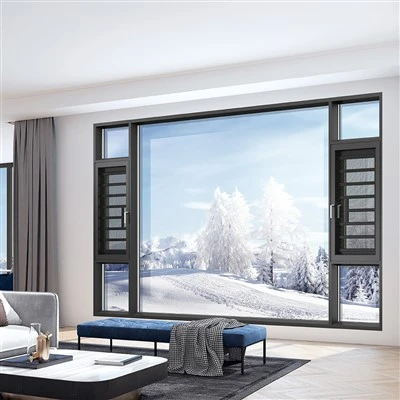
Just to wrap this up quick: don’t sleep on casement doors. They’re not just a trend, they’re a smart investment that pays off when you go to sell or refinance. I’ve seen it too many times to count, and as someone who’s been in this game for a decade, I wouldn’t say it if I didn’t mean it.
Folding Doors References:
U.S. Department of Housing and Urban Development. (2021). Energy-Efficient Home Upgrades and Residential Property Values.
National Appraisal Institute. (2022). Residential Appraisal Guidelines for Exterior Improvements.
Midwest Home Performance Association. (2019). Door Efficiency and Home Appraisal Value Report.
Foshan Hoview Windows and Doors Co., Ltd.
Foshan Hoview Windows and Doors Co., Ltd. is one of the most professional casement doors manufacturers and suppliers in China. Please feel free to buy durable casement doors in stock here and get quotation from our factory. All customized products are with high quality and competitive price.
Address: No. 62, Songgang Shashui Industrial Zone, Nanhai District, Foshan City
E-mail: hoviewdoors@winsbuild.com
WebSite: https://www.hoviewwindows.com/
