If you’ve ever invested in a handcrafted mattress—one stitched with organic cotton from family farms, wool that’s been sheared and carded by local artisans, and a coil system that’s been shaped to cradle your body instead of simply supporting it—you know it’s more than just a place to sleep. It’s a piece of craftsmanship, built to last for decades, and the tiny, intentional choices that went into making it deserve just as much care when it comes to cleaning. As someone who’s spent the last 12 years building a small, family-run handcrafted mattress supply business, I’ve seen firsthand how many people reach for harsh chemicals or over-the-top cleaning hacks that do more harm than good. You don’t need to scrub your mattress until it looks brand new; you just need to clean it in a way that preserves the fibers, the artisan’s handiwork, and the clean, safe sleep you bought it for. Let’s walk through this step by step, no fancy tools or confusing jargon required. Handcrafted Mattress
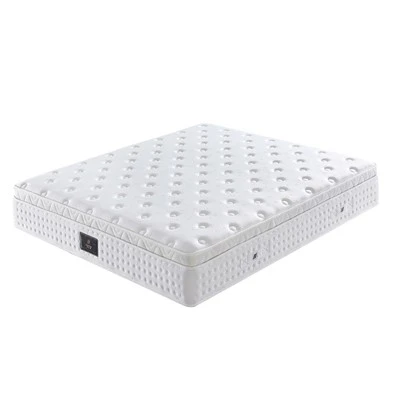
First, let’s get one thing straight: handcrafted mattresses aren’t disposable. A mass-produced mattress might hold up for 7 to 10 years, but a well-made handcrafted one—whether it’s a latex hybrid, wool-wrapped innerspring, or all-natural wool mattress—can easily last 20, 25, even 30 years with the right care. I’ve got customers who still sleep on mattresses I made in the early 2000s, and they tell me the key is not how often they clean it, but how gently and strategically they clean it. Rushing in with a full bottle of stain remover or a steam cleaner set to too high a temperature is the number one mistake I see. Those harsh chemicals break down the natural fibers—wool, cotton, latex—over time, and high heat can shrink or warp the stitching that holds the mattress together. That’s why the first rule of cleaning any handcrafted mattress is: slow down, and work with the materials, not against them.
Before we get into deep cleaning, let’s talk about regular maintenance. Most of the dirt, sweat, and dust that builds up on a mattress isn’t sitting on the surface—it’s working its way into the top inch of the cover and the first layer of padding. The good news is this stuff is easy to tackle without getting your whole mattress soaked. I tell all my customers to do a quick 5-minute check-in every single month. Start by stripping your sheets and pillowcases (and wash those on hot water, by the way—you’d be surprised how many dust mites live in pillowcases) and then grab the vacuum cleaner. Use the soft upholstery attachment, not the beater bar. The beater bar on your vacuum is made for cleaning carpet, not delicate mattress covers; it will snag threads, pull at the stitching, and fray the edges of the fabric. Run the vacuum slowly over the entire surface of the mattress, paying extra attention to the seams, the edge where your legs hang when you get in bed, and the area right under where your head rests. Sweat and hair accumulate there faster, and the seams hold tiny particles that can irritate your skin if they build up. Once you’ve vacuumed the top, flip the mattress over (if it’s a double-sided model—all of our handcrafted mattresses are double-sided, by the way, that’s a big part of their longevity) and vacuum the bottom side, too. Then, prop it up for an hour to air out—natural sunlight kills 90% of dust mites, and fresh air will get rid of that stuffy, sleeping smell that lingers after a week of use. That’s it. No soap, no water, just a quick vacuum and an hour of fresh air. Most months, that’s all you need to keep your mattress clean.
Now, what about spills? That’s the big one that everyone panics about. Whether it’s a glass of wine, a cup of coffee, or a little accident with a pet or a kid, spills happen. The key here is to act fast—like, within 10 minutes fast. The longer a liquid sits on your mattress, the more it works its way down into the layers, and the harder it is to remove, plus it can leave a permanent stain if you wait too long. But here’s the thing: never rub a spill. Rubbing pushes the liquid deeper into the padding, and it also breaks down the surface fibers, making the stain worse. Instead, grab a clean, dry white towel (colored towels can bleed dye onto your mattress, and paper towels are too thin and leave lint behind) and press firmly on the spill. Don’t wipe, don’t scrub—just press, and blot. You’ll see the liquid transfer to the towel. Repeat with a fresh part of the towel until no more liquid comes up.
Once you’ve blotted as much as you can, you need to treat the stain, but only with a gentle, natural cleaner. Never use bleach, ammonia, or any product that’s full of harsh chemicals. These products not only damage the wool or cotton fibers in your handcrafted mattress, but they can also leave residue that irritates your skin and lungs. For most light spills—coffee, juice, pet accidents that are just urine—mix up a simple cleaning solution: 8 ounces of warm water, 2 tablespoons of mild, fragrance-free dish soap (the kind that’s made for washing dishes by hand, not the heavy-duty stuff for pots and pans), and 1 tablespoon of white vinegar. That’s it. No fancy ingredients, no expensive products—just three things you probably already have in your kitchen.
Dip another clean white towel into this solution, wring it out until it’s almost dry—you want it damp, not soaking wet—and blot the stain gently. Again, don’t rub. Once the stain starts to lift, take a dry towel and blot the area again to soak up any excess moisture. Then, prop the mattress up for at least 4 hours to air dry. If it’s a sunny day, leave it outside for a couple of hours, just make sure it’s not in direct midday sun (that can fade the fabric) and bring it in before any rain. For pet accidents that have a strong odor, you can sprinkle a thin layer of baking soda over the area after it’s dry, let it sit for 8 hours, then vacuum it up. The baking soda will absorb any leftover odors without adding any harsh chemicals. If the stain is really old, or really set in—like a red wine stain that’s been there for a week—don’t panic. The same solution works, you just might need to repeat the process a couple of times, and be extra gentle when blotting.
Now, what about dust mites and allergens? A lot of people with allergies worry about this, and rightfully so. Dust mites thrive in warm, moist environments, which is exactly what a mattress is after a long night of sleep. The good news is that with handcrafted mattresses, you don’t need to use a harsh antibacterial spray. The natural fibers we use in our mattresses—organic wool, especially—are naturally resistant to dust mites, mold, and mildew. Wool absorbs moisture (it can hold up to 30% of its weight in moisture without feeling wet) and then releases it back into the air when the room is dry, so it stays dry enough that dust mites can’t survive. But that doesn’t mean you can skip the regular maintenance. Vacuuming every month, airing the mattress out once a week if you can, and using a washable mattress protector (make sure it’s a breathable one—avoid plastic protectors, which trap moisture and can make mold grow) will keep allergens at bay. I always tell customers to wash their mattress protector every two weeks, same as their sheets, and that’s enough.
Wait, let’s talk about the one thing you should never do when cleaning a handcrafted mattress. Ever. Steam cleaning. I get it, steam cleaning seems like a deep, thorough way to clean something, but for handcrafted mattresses, it’s the worst thing you can do. Steam uses high heat and a lot of water, which works its way deep into the core of the mattress. The core of a handcrafted mattress—whether it’s coils, latex, or organic cotton batting—takes a long time to dry. If it doesn’t dry all the way, mold and mildew will grow, and once mold gets inside a mattress, it’s impossible to get rid of. That mold isn’t just smelly—it can cause respiratory issues, allergies, and even make you sick over time. I’ve had customers who steam cleaned their mattresses and ended up with mold that required them to replace the whole thing, and that’s a huge waste of a well-made mattress. Skip the steam cleaner. It’s not worth the risk.
Another common mistake people make is flipping their mattress too often. All of our handcrafted double-sided mattresses are built to be flipped and rotated every 6 months. Flipping evens out wear, so you don’t have a dip in one spot from sleeping in the same place every night. Rotating (turning the mattress 180 degrees end over end) evens out wear along the edges, which are the areas you use most when you get in and out of bed. So every 6 months, when you change your clocks for daylight savings time, that’s a good reminder to flip and rotate your mattress. It’s a simple task, and it helps keep your mattress comfortable and supportive for decades.
Let’s wrap this up with a quick checklist, so you have something easy to reference:
- Monthly Maintenance: Vacuum with a soft upholstery attachment, air out for 1 hour.
- Spill Cleanup: Blot (don’t rub) immediately, use a mild dish soap + vinegar + water solution for stains, avoid over-wetting.
- Deep Cleaning: For odors or stubborn stains, use baking soda after drying, never steam clean.
- Rotate & Flip: Every 6 months to even out wear.
- Mattress Protector: Use a breathable, washable one, wash every two weeks.
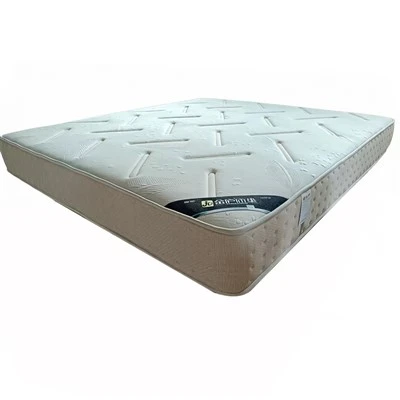
Spring Mattress At the end of the day, cleaning a handcrafted mattress isn’t about making it look like it’s straight out of the factory. It’s about preserving the care that went into building it. Every stitch, every layer of wool, every coil, was made to last, and treating it gently will mean you get to sleep on it comfortably for years and years. If you’re in the market for a handcrafted mattress that’s built to stand up to regular care, or if you have questions about specific cleaning needs for your current mattress, we’re here to help. We work with hotels, residential customers, and design firms to source and supply high-quality, durable handcrafted mattresses, and our team can walk you through everything from choosing the right model to maintaining it for a lifetime. Reach out to our team to connect on a purchasing partnership or to answer any questions you have.
References
- The Sleep Foundation. "How to Clean a Mattress Properly and Prevent Allergens." 2023.
- International Wool Textile Organization. "Natural Properties of Wool for Home Textiles." 2022.
- Journal of Environmental Health. "Residential Mattress Moisture and Mold Growth: A Review." 2021.
- American Academy of Allergy, Asthma & Immunology. "Dust Mite Allergies: Management Tips." 2022.
- National Sleep Foundation. "Mattress Longevity and Care for Handcrafted Models." 2023.
Jiujiang Jinlu Furniture Co., Ltd.
As one of the most professional handcrafted mattress manufacturers and suppliers in China, we offer a wide range of products with superior quality. Please feel free to wholesale customized handcrafted mattress at competitive price from our factory. For quotation, contact us now.
Address: No.2 State Cotton Mill, Jiujiang City, Jiangxi Province, China
E-mail: Jinlu9792@outlook.com
WebSite: https://www.jinlufurniture.com/
