If you’ve ever been to a professional indoor soccer arena, an Olympic-caliber athletic training center, or a community sports complex built in the last 20 years, there’s a good chance section steel was the backbone that made that space possible. As a section steel supplier who’s worked on dozens of sports facility projects across North America and Europe, I’ve seen first-hand how this versatile structural material isn’t just a “building metal” — it’s a solution that solves unique, high-stakes challenges for every type of sports venue, from neighborhood youth fields to world-class competition sites. Too often, people think steel is interchangeable with concrete or wood for these projects, but after 12 years in this industry, I can tell you section steel’s specific properties make it irreplaceable for most modern sports spaces. Let me break down exactly how we use it, and why your next sports facility project should prioritize it too. Section Steel

First, let’s start with the most visible, and often most demanding, part of any large sports venue: the roof and large-span structures. When you’re building a basketball arena, soccer stadium, or even an indoor track, the biggest hurdle is creating an unobstructed, open space for athletes and fans. You can’t have columns holding up the roof mid-court or along the running track — those would block sightlines, interfere with gameplay, and create dangerous obstacles for fast-moving athletes. Section steel, specifically wide-flange (W-shape) I-beams and HSS (hollow structural section) members, is perfect for this because of its incredible strength-to-weight ratio. Unlike concrete, which would require massive supports to span 80+ feet without sagging, section steel can cover those distances with far less material, and it’s much easier to fabricate and lift into place on tight construction timelines.
Last year, I worked with a team renovating a mid-sized college basketball arena in Ohio that had a concrete roof structure. The old concrete had started sagging over 60 feet, and the renovations called for adding luxury suites, new LED lighting rigs, and a retractable video board — all of which put extra stress on the roof. Replacing the concrete with custom-cut section steel beams reduced the total structural load by 40%, which meant we didn’t have to reinforce the arena’s foundation, saving the project $1.2 million and cutting construction time by 8 weeks. That’s the kind of tangible benefit section steel delivers for large-span sports structures. We also use smaller, specialized section steel for roof trusses that cradle the PVC roofing membrane and support the arena’s HVAC system, which has to circulate air evenly across thousands of seats and avoid drafty hot spots during games.
Next up: spectator seating infrastructure. Anyone who’s sat in the upper bowl of a baseball stadium or arena with tiered seating owes that comfort to section steel. Tiered seating is designed to give every fan an unobstructed view, so each row is elevated slightly above the one in front of it. To create that sloped structure, you need a strong, lightweight frame that can support thousands of pounds of fans, seats, and safety barriers, while also being modular enough to fit the unique dimensions of each venue. Pre-fabricated section steel brackets and stair stringers are the standard here for a reason. Unlike wood, which can rot, warp, or crack in outdoor elements over just a few years, section steel holds up to rain, snow, UV exposure, and heavy use without needing frequent repairs. For indoor arenas, it also handles humidity perfectly — something we’ve seen fail wooden seating supports in two different minor league hockey arenas I’ve inspected over the years.
A few years ago, we supplied section steel for a minor league baseball stadium in North Carolina that was being built to attract a new team. The original design called for wooden seat frames, but our team was able to point out that the region’s hot, humid summers and frequent thunderstorms would mean the wood would need to be replaced every 8-10 years. By switching to galvanized section steel seating supports, the stadium’s owners saved $500,000 over the 20-year lifespan they projected for the venue, because there’s almost no maintenance needed beyond an occasional wash to keep dirt off. That’s a long-term investment that most sports facility operators overlook, but for a business that relies on consistent revenue from ticket sales, it’s critical.
Then there’s the part of sports facilities that rarely makes highlight reels: support structures for athletic equipment and training spaces. This is where section steel’s customization really shines. For indoor soccer fields, you need lightweight, movable goals that can be rolled out of the way when the space is used for community events. Those goals have to be strong enough to handle full-force shots from professional players, but light enough for volunteers to move. We fabricate custom HSS section steel goal frames that weigh 30% less than traditional steel goals, but have a higher tensile strength — so they don’t bend or break during games. For track and field facilities, high jump and pole vault pits rely on reinforced section steel frames that adjust in height, height, and width, and can hold up to the repeated impact of athletes landing after jumps.
I also want to talk about training facilities, which have exploded in popularity in the last decade. Elite sports training centers, whether for Olympic teams or college programs, have specialized weight rooms, batting cages, and agility spaces that demand precision-engineered structures. Weight racks, for example, used to be made of cast iron or wood, but now almost all professional training centers use section steel for their racks, platforms, and support beams. Why? Because section steel can be welded and cut to exact specifications, so we can build a weight rack that fits perfectly into a 10×10 foot space, supports 10,000 pounds of weight, and has a low profile that doesn’t interfere with surrounding equipment. A friend of mine who’s a strength coach for a D1 football program told me last year that their section steel racks have lasted twice as long as the old wooden ones, even with 10+ hours of daily use from players. Batting cages are another big one: the frames that hold the netting are made of galvanized section steel, which is strong enough to resist wind and ball impacts, and can be adjusted in length as players’ needs change.
Another often-overlooked use of section steel in sports facilities is accessibility infrastructure. The Americans with Disabilities Act (ADA) requires that all public sports facilities have accessible ramps, elevators, and seating areas. Section steel is the perfect material for this because it can be shaped into ramp supports, elevator shafts, and platform frames that are both strong and easy to install. Unlike concrete, which takes days to cure, pre-fabricated section steel ramps can be installed in a matter of hours, which is a huge benefit for projects on tight deadlines. I worked on a community sports complex in Detroit that had a tight timeline to open for a local youth soccer tournament. We supplied pre-cut section steel for the accessible entry ramp and seating platform, and the installation team put it all together in half a day, compared to the 3 days it would have taken with concrete. That meant the complex was able to host the tournament on schedule, generating much-needed revenue for the local youth sports program.
Durability is a non-negotiable for sports facilities, because they’re used year-round, often by thousands of people, and exposed to harsh weather conditions. Section steel’s resistance to corrosion (especially when galvanized or coated with a powder finish) makes it ideal for outdoor sports facilities like stadiums, tennis courts, and track complexes. I’ve seen wooden tennis court supports rot within 5 years in a coastal city like Miami, but section steel court posts and net frames can last 30+ years with minimal maintenance. For indoor facilities, section steel is resistant to humidity and temperature fluctuations, which is why it’s used for the frames of ice rinks, which need to stay at a constant 22 degrees Fahrenheit. The steel frames hold the pipe systems that circulate the refrigerant, and their strength prevents the ice from shifting or cracking, which would ruin games and training sessions.
Now, I know some project managers worry about the upfront cost of section steel compared to other materials. But after working on so many projects, I can tell you that the long-term savings, faster installation, and lower maintenance more than offset the initial difference. For example, a 2022 study by the American Institute of Steel Construction found that section steel used in sports facilities has a lifecycle cost that is 15-20% lower than concrete or wood, because of reduced repair and replacement costs. Let’s go back to that Ohio arena I mentioned earlier: the upfront cost of section steel was 10% higher than the concrete roof, but the project saved $1.2 million in foundation reinforcements and 8 weeks of labor, which translated to $2.5 million in lost revenue avoided because the arena opened on schedule. That’s the kind of return on investment that can make or break a sports facility project.
I also want to address a common misconception: section steel is heavy and rigid, which makes it hard to customize. But with modern fabrication techniques, we can cut, weld, drill, and shape section steel into almost any design needed for sports facilities. We’ve built custom curved beams for the entrance of a stadium, narrow HSS frames for indoor rock climbing walls, and even lightweight section steel for portable bleachers that can be set up and taken down for temporary events. The key is working with a section steel supplier who understands the specific needs of sports facilities, not just generic construction projects. At our company, we work closely with architects, engineers, and contractors from the early stages of a project to tailor the steel to their exact needs, whether that’s a span of 100 feet for a soccer stadium roof or a small frame for a youth soccer goal.
For anyone planning a sports facility project — whether it’s a community field, a college arena, or an elite training center — section steel isn’t just a structural material. It’s a solution that solves the unique challenges of sports spaces: unobstructed views, heavy daily use, harsh weather, tight timelines, and long-term durability. It’s the backbone that lets athletes perform at their best, fans enjoy the game, and operators run a successful, sustainable facility.
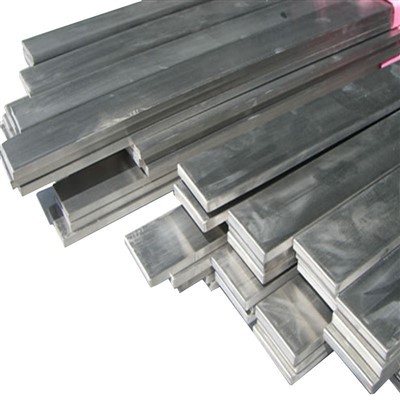
If you’re currently designing or renovating a sports facility and want to learn more about how section steel can benefit your project, get in touch with our team to discuss your needs and request a custom quote.
Steel Bar References
- American Institute of Steel Construction. (2022). Lifecycle Cost Analysis of Structural Materials for Sports Facilities. Chicago, IL: American Institute of Steel Construction.
- National Sports Law Institute. (2021). Modern Infrastructure Trends in North American Sports Venues. Milwaukee, WI: Marquette University Law School.
- International Olympic Committee. (2020). Sustainable Venue Construction Guidelines for Olympic and Paralympic Games. Lausanne, Switzerland: International Olympic Committee.
Shanxi Midas Industrial Co., Ltd.
We’re known as one of the most professional section steel manufacturers and suppliers in China. With abundant experience, we warmly welcome you to buy cheap section steel made in China here from our factory. For price consultation, contact us.
Address: 28th, Huanqiu Jinrong Zhongxin, Xieyuan Road, Changfeng Business District, Taiyuan City, Shanxi Province, China
E-mail: midassteel@163.com
WebSite: https://www.midassteel.com/
