How does the cost of curved tempered glass vary by region?
As a supplier of curved tempered glass, I’ve had the privilege of working with clients from various corners of the globe. This has given me a unique perspective on how the cost of this specialized glass varies significantly from one region to another. In this blog, I’ll delve into the factors that contribute to these regional cost differences and what they mean for businesses and consumers. Curved Tempered Glass

Raw Material Costs
One of the most fundamental factors influencing the cost of curved tempered glass is the price of raw materials. The primary components of glass, such as silica sand, soda ash, and limestone, are not uniformly distributed across the world. Regions with abundant local sources of these materials often enjoy lower raw material costs. For example, the desert regions of the Middle East are rich in high – quality silica sand. Suppliers in these areas can access the main ingredient for glass production at a lower cost compared to regions where the sand has to be imported.
Moreover, the cost of energy required to melt these raw materials into glass also varies by region. Curved tempered glass production is an energy – intensive process, and areas with cheaper energy sources, like regions with abundant natural gas reserves, can produce glass more cost – effectively. In the United States, some states with a large number of natural gas wells have a competitive edge in glass production due to lower energy costs.
Labor Costs
Labor is another significant contributor to the overall cost of curved tempered glass. Different regions have different labor market dynamics, including wage rates, labor laws, and availability of skilled workers. In developed countries like Germany and Japan, where labor laws are strict and the cost of living is high, the wages for skilled glassworkers are relatively high. These countries are known for their high – precision manufacturing, and the labor cost reflects the high level of skill and expertise required in the production of curved tempered glass.
On the other hand, in some developing countries in Southeast Asia, labor costs are much lower. The large population in these areas provides a large labor pool, and the average wage for workers in the glass manufacturing industry is relatively low. This allows suppliers in these regions to offer curved tempered glass at a more competitive price point. However, the quality of the glass may vary depending on the level of training and technology available.
Transportation Costs
The transportation of curved tempered glass is a complex and fragile process. The cost of moving the finished product from the manufacturing facility to the customer’s location can vary widely by region. In land – locked regions, the cost of transporting glass to international markets is generally higher due to the lack of direct access to ports. This often involves additional handling and multiple modes of transportation, such as trucks and trains.
Coastal regions, on the other hand, have a significant advantage in terms of transportation costs. They can easily ship large quantities of glass by sea, which is generally a more cost – effective mode of transport for bulky and heavy goods. For example, suppliers in China’s coastal cities can efficiently export their curved tempered glass products to markets around the world at a relatively low transportation cost compared to their counterparts in the interior of the country.
Regulatory and Environmental Compliance
Each region has its own set of regulations and environmental standards governing the production of curved tempered glass. Meeting these requirements can add to the overall cost of production. In the European Union, for instance, there are strict regulations regarding the energy efficiency of glass products and the reduction of emissions during the manufacturing process. Suppliers in the EU have to invest in advanced technologies and equipment to comply with these standards, which increases the cost of production.
In contrast, some developing regions may have less stringent regulations. While this can result in lower production costs in the short term, it may also lead to quality and environmental concerns. As global awareness of environmental issues grows, more and more customers are demanding that their glass suppliers meet high – quality and environmentally friendly standards, regardless of the region.
Market Competition
The level of market competition in different regions also plays a crucial role in determining the cost of curved tempered glass. In highly competitive markets, such as in China and some parts of the United States, suppliers often have to offer competitive prices to attract customers. The large number of glass manufacturers in these regions creates a price – driven environment, where companies are constantly looking for ways to reduce costs and improve efficiency.
In niche markets or regions with less competition, the cost of curved tempered glass may be higher. For example, in some remote areas or regions with limited access to glass manufacturers, customers may have fewer options, allowing suppliers to charge a premium for their products.
Local Demand and Industry Size
The local demand for curved tempered glass and the size of the glass manufacturing industry in a region can also impact costs. In regions with a high demand for glass products, such as large urban centers or areas with a booming construction industry, economies of scale can come into play. Larger production volumes often lead to lower per – unit costs, as fixed costs can be spread over a greater number of products.
Conversely, in regions with low demand, suppliers may struggle to achieve economies of scale. This can result in higher production costs per unit of glass, which are then passed on to the customers.
Impact on Customers and Businesses
For customers, understanding the regional cost differences of curved tempered glass is essential for making informed purchasing decisions. If cost is a major concern, they may consider sourcing from regions with lower production costs. However, they also need to take into account factors such as quality, shipping times, and after – sales service.
Businesses, on the other hand, need to carefully evaluate the cost – benefit analysis of sourcing from different regions. While lower – cost regions may offer attractive prices, they may also come with risks such as quality control issues or longer lead times. It’s important for businesses to establish strong partnerships with reliable suppliers and conduct thorough due diligence before making a decision.
Conclusion
In conclusion, the cost of curved tempered glass varies significantly by region due to a multitude of factors, including raw material costs, labor costs, transportation costs, regulatory compliance, market competition, and local demand. As a supplier, I understand the importance of providing high – quality products at a competitive price. Whether you’re a construction company looking for glass for a new building or a designer in need of custom – made curved tempered glass, I’m here to work with you.
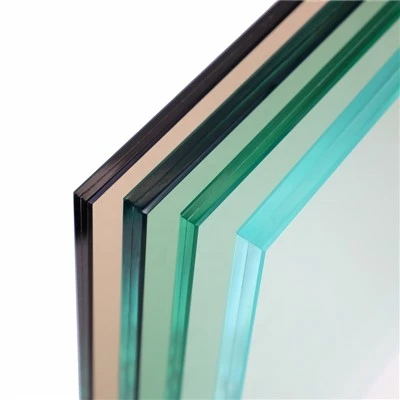
If you’re interested in purchasing curved tempered glass, I’d be more than happy to discuss your specific needs and provide you with a tailored quote. Please don’t hesitate to reach out for more information and to start a conversation about your upcoming projects.
Insulated Glass References
- "The Global Glass Industry: Trends and Outlook" – Glass Association of North America
- "Environmental Regulations in the Glass Manufacturing Sector" – European Environmental Agency
- "Labor and Production Costs in the Asian Glass Industry" – Asia – Pacific Economic Cooperation (APEC)
Suzhou Dingcheng Tempered Glass Co., Ltd.
As one of the most professional curved tempered glass manufacturers and suppliers in China, we also support customized service. We warmly welcome you to wholesale high quality curved tempered glass made in China here from our factory. If you have any enquiry about free sample, please feel free to email us.
Address: No.777 Limin North Road, Lili Town, Wujiang District, Suzhou City, Jiangsu Province
E-mail: Dingchengglass@163.com
WebSite: https://www.dingchengglass.com/
