As a supplier of refrigeration units, I understand the critical role that proper ventilation plays in the performance, efficiency, and longevity of these systems. In this blog post, I will delve into the ventilation requirements for refrigeration units, explaining why they are essential and how to meet them. Refrigeration Unit
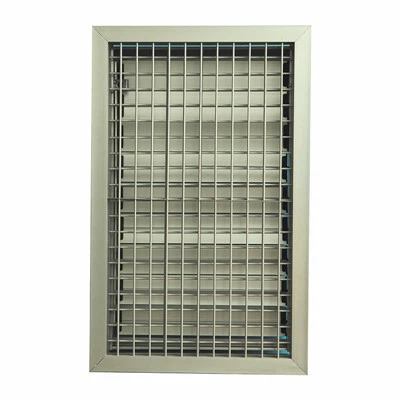
Why Ventilation is Crucial for Refrigeration Units
Refrigeration units work by removing heat from the interior space and transferring it to the outside environment. This process generates a significant amount of heat, which must be dissipated effectively to prevent the unit from overheating. If the heat is not removed efficiently, it can lead to a range of problems, including reduced cooling capacity, increased energy consumption, and premature component failure.
Proper ventilation helps to maintain the optimal operating temperature of the refrigeration unit by allowing fresh air to circulate around the condenser coils. The condenser coils are responsible for releasing the heat absorbed from the interior space, and they need to be kept cool to function efficiently. Without adequate ventilation, the heat can build up around the condenser coils, causing them to overheat and reducing their ability to transfer heat.
In addition to preventing overheating, proper ventilation also helps to improve the air quality inside the refrigeration unit. Refrigeration units can generate a variety of pollutants, including dust, dirt, and moisture, which can accumulate over time and affect the performance of the system. Ventilation helps to remove these pollutants from the unit, reducing the risk of corrosion, mold growth, and other problems.
Ventilation Requirements for Different Types of Refrigeration Units
The ventilation requirements for refrigeration units can vary depending on several factors, including the size and type of the unit, the location of installation, and the ambient temperature and humidity. Here are some general guidelines for the ventilation requirements of different types of refrigeration units:
Commercial Refrigeration Units
Commercial refrigeration units, such as walk-in coolers and freezers, typically require more extensive ventilation than residential units. These units are often larger and more powerful, and they generate a significant amount of heat. To ensure proper ventilation, commercial refrigeration units should be installed in a well-ventilated area with adequate space around the unit.
The condenser coils of commercial refrigeration units should be located in an area with good airflow, such as an open courtyard or a rooftop. The area around the condenser coils should be kept clear of obstructions, such as debris, vegetation, or other equipment. In addition, the condenser coils should be cleaned regularly to remove any dirt or debris that may accumulate on them.
Residential Refrigeration Units
Residential refrigeration units, such as refrigerators and freezers, also require proper ventilation to function efficiently. These units are typically smaller and less powerful than commercial units, but they still generate a significant amount of heat. To ensure proper ventilation, residential refrigeration units should be installed in a well-ventilated area with adequate space around the unit.
The condenser coils of residential refrigeration units are usually located at the back or bottom of the unit. The area around the condenser coils should be kept clear of obstructions, such as furniture, curtains, or other objects. In addition, the condenser coils should be cleaned regularly to remove any dirt or debris that may accumulate on them.
Refrigeration Units in Enclosed Spaces
Refrigeration units that are installed in enclosed spaces, such as mechanical rooms or closets, require special ventilation considerations. These units generate a significant amount of heat, which can build up quickly in an enclosed space and cause the unit to overheat. To ensure proper ventilation, refrigeration units in enclosed spaces should be installed with a ventilation system that is designed to remove the heat generated by the unit.
The ventilation system for refrigeration units in enclosed spaces should be sized appropriately to handle the heat load of the unit. The system should also be designed to provide adequate airflow to the condenser coils and to remove any pollutants from the unit. In addition, the ventilation system should be installed and maintained by a qualified professional to ensure its proper operation.
Meeting the Ventilation Requirements for Refrigeration Units
To meet the ventilation requirements for refrigeration units, it is important to follow these guidelines:
Install the Unit in a Well-Ventilated Area
The refrigeration unit should be installed in a well-ventilated area with adequate space around the unit. The area should have good airflow and should be free of obstructions. If the unit is installed in an enclosed space, a ventilation system should be installed to provide adequate airflow.
Keep the Condenser Coils Clean
The condenser coils of the refrigeration unit should be kept clean to ensure proper heat transfer. The coils should be cleaned regularly using a soft brush or a vacuum cleaner to remove any dirt or debris that may accumulate on them.
Provide Adequate Airflow
The refrigeration unit should be installed with adequate airflow to the condenser coils. The airflow can be provided by natural ventilation or by a mechanical ventilation system. The ventilation system should be designed to provide the required amount of airflow to the condenser coils and to remove any pollutants from the unit.
Monitor the Temperature and Humidity

The temperature and humidity inside the refrigeration unit should be monitored regularly to ensure that they are within the recommended range. If the temperature or humidity is too high, it may indicate a problem with the ventilation system or the refrigeration unit itself.
Conclusion
Finned Tube Heat Exchanger Proper ventilation is essential for the performance, efficiency, and longevity of refrigeration units. By following the guidelines outlined in this blog post, you can ensure that your refrigeration unit is properly ventilated and operating at its best. If you have any questions or concerns about the ventilation requirements for your refrigeration unit, please don’t hesitate to contact us. We are a leading supplier of refrigeration units, and we have the expertise and experience to help you choose the right unit for your needs and ensure its proper installation and maintenance.
References
- ASHRAE Handbook – Refrigeration. American Society of Heating, Refrigerating and Air-Conditioning Engineers.
- Refrigeration System Design and Installation Guide. International Institute of Refrigeration.
- Manufacturer’s Installation and Operation Manuals for Refrigeration Units.
Yancheng Lima Air Conditioning Engineering Co., Ltd.
As one of the leading refrigeration unit manufacturers and suppliers in China, we warmly welcome you to buy discount refrigeration unit for sale here and get quotation from our factory. Quality products and low price are available.
Address: No. 99, Xinyuan Road, Yannan High-tech Zone, Yancheng City
E-mail: yclima@yclima.com
WebSite: https://www.limakt.com/
