Automation parts play a pivotal role in modern industrial processes, enabling increased efficiency, precision, and productivity. As a seasoned supplier of automation parts, I’ve had the privilege of witnessing firsthand the transformative power of these components across various sectors. In this blog, I’ll delve into the technical specifications of automation parts, shedding light on the key factors that define their performance and suitability for different applications. Automation Parts

1. Electrical Specifications
Voltage and Current Ratings
One of the most fundamental electrical specifications of automation parts is their voltage and current ratings. These ratings determine the electrical power requirements and compatibility of the components with the existing electrical systems. For instance, sensors and actuators often operate at low voltages, typically ranging from 5V to 24V DC, making them suitable for use in control circuits. On the other hand, motors and larger power – consuming devices may require higher voltages, such as 110V or 220V AC, depending on their size and power output.
The current rating is equally important as it indicates the maximum amount of electrical current that a component can safely handle. Exceeding the current rating can lead to overheating, component failure, and even pose a safety hazard. When selecting automation parts, it’s crucial to ensure that the voltage and current ratings of the parts match the electrical supply and the requirements of the overall system.
Power Consumption
Power consumption is another critical electrical specification. It not only affects the operating cost of the automation system but also influences the heat generation and the need for cooling. Components with high power consumption may require additional cooling mechanisms, such as fans or heat sinks, to maintain their optimal operating temperature. Low – power automation parts are often preferred in applications where energy efficiency is a priority, such as battery – powered devices or systems with limited power supply.
2. Mechanical Specifications
Dimensions and Mounting Options
The physical dimensions of automation parts are essential for integration into the overall system. Components need to fit within the available space in the machinery or equipment. Mounting options, such as brackets, flanges, or screw holes, also play a crucial role. Different applications require different mounting methods, and the parts must be designed to be easily and securely installed. For example, some sensors need to be mounted in a specific orientation to ensure accurate detection, while actuators must be mounted in a way that allows them to transfer force effectively.
Material and Durability
The materials used in the construction of automation parts significantly impact their durability and performance. For components that are exposed to harsh environments, such as high temperatures, humidity, or corrosive chemicals, materials with high resistance to these factors are required. Metals like stainless steel are often used for structural components due to their strength and corrosion resistance. Plastics can also be used, especially when weight reduction or specific electrical insulation properties are needed. The durability of the parts is measured in terms of factors like fatigue life, resistance to wear and tear, and the ability to withstand mechanical shocks.
Motion and Force Capabilities
In the case of actuators and motors, motion and force capabilities are key technical specifications. Actuators can be classified into linear and rotary types, and their performance is characterized by parameters such as stroke length (for linear actuators), rotation angle (for rotary actuators), speed, and force output. For example, in a robotic arm, the actuators need to be able to provide sufficient force to lift and move objects of a certain weight, while also ensuring smooth and precise motion within a specific range.
3. Performance and Accuracy Specifications
Precision and Repeatability
Precision and repeatability are of utmost importance in automation systems, especially in applications where high – quality output is required. Precision refers to the closeness of the measured value to the true value, while repeatability refers to the ability of a component to produce the same result under the same operating conditions. Sensors, for example, need to have high precision to accurately detect and measure physical quantities such as temperature, pressure, or position. Actuators must be able to repeat their movements with high accuracy to ensure consistent performance in manufacturing processes.
Response Time
The response time of automation parts is the time it takes for a component to respond to an input signal. In applications where real – time control is necessary, such as in high – speed manufacturing or robotics, a short response time is crucial. For instance, a fast – acting sensor can quickly detect a change in a process variable and send a signal to the control system, which can then adjust the process in a timely manner.
Resolution
Resolution refers to the smallest change in the measured or controlled variable that a component can detect or produce. In sensors, a high resolution means that the sensor can detect very small changes in the physical quantity being measured. In actuators, a high resolution allows for fine – tuned control of the motion or force. For example, a high – resolution encoder can provide detailed information about the position and rotation of a motor, enabling more precise control of the mechanical system.
4. Communication and Compatibility Specifications
Communication Protocols
In modern automation systems, components often need to communicate with each other and with the control system. Different communication protocols are used for this purpose, such as Modbus, Profibus, Ethernet/IP, etc. Each protocol has its own advantages and is suitable for different types of applications. For example, Modbus is a widely used protocol known for its simplicity and ease of implementation, making it suitable for small – to – medium – sized automation systems. Ethernet/IP, on the other hand, offers high – speed data transfer and is often used in large – scale industrial networks.
Compatibility with Other Components
Automation parts need to be compatible with other components in the system, including controllers, power supplies, and software. Compatibility issues can lead to system malfunctions, data transfer problems, or even complete system failure. When selecting automation parts, it’s essential to ensure that they are compatible with the existing infrastructure and can communicate effectively with other components in the system.
5. Environmental Specifications
Temperature and Humidity Range
Automation parts are often exposed to different environmental conditions. The temperature and humidity range within which a component can operate safely and effectively is an important specification. Some components are designed to operate in a wide range of temperatures, from – 20°C to 60°C or even more extreme conditions, while others may have a more limited operating range. High humidity can also cause corrosion and other damage to the components, so parts used in humid environments need to be properly protected or made of materials that are resistant to moisture.
Resistance to Dust and Chemicals
In industrial settings, components may be exposed to dust, dirt, and various chemicals. Parts need to have a certain level of resistance to these contaminants to ensure their reliability and longevity. For example, in a mining or manufacturing plant, sensors and actuators may be exposed to large amounts of dust, so they need to be dust – proof. In chemical processing plants, components must be resistant to the specific chemicals used in the process.
As a reliable supplier of automation parts, I understand that choosing the right parts with the appropriate technical specifications is crucial for the success of any automation project. Whether you’re looking to upgrade an existing system or build a new one from scratch, I’m here to assist you in selecting the most suitable components for your specific needs. Our wide range of automation parts is carefully sourced and tested to meet the highest quality standards, and we offer expert advice to ensure that you get the best – performing parts for your application.
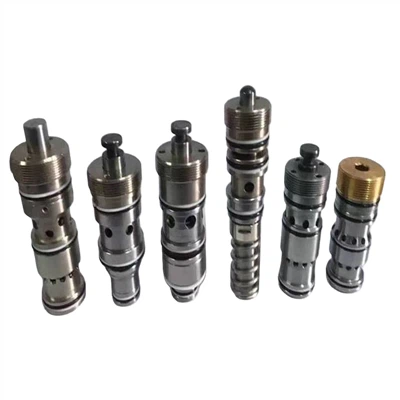
If you’re interested in learning more about our automation parts or have a specific project in mind, I invite you to reach out to discuss your requirements. We’re committed to providing you with the best solutions and helping you achieve your automation goals. Contact us today to start a productive conversation about your automation parts procurement.
Auto Parts References
- "Automation Technology Handbook"
- "Industrial Automation Systems: Design and Implementation"
- Technical datasheets from major automation parts manufacturers.
Hubei Kangding Machinery Equipment Co., Ltd.
We’re well-known as one of the leading automation parts manufacturers and suppliers in China, specialized in providing high quality customized products. Please feel free to buy advanced automation parts for sale here from our factory. For pricelist, contact us now.
Address: Qianchang Industrial Park, Jingshan County, Jingmen City, Hubei Province
E-mail: 339248585@qq.com
WebSite: https://www.cnkangding.com/
