Steam applications present a unique set of challenges for ball valves. As a ball valve supplier, I’ve witnessed firsthand the difficulties that customers face when using ball valves in steam systems. In this blog, I’ll share some insights on how to address these challenges effectively. Ball Valve
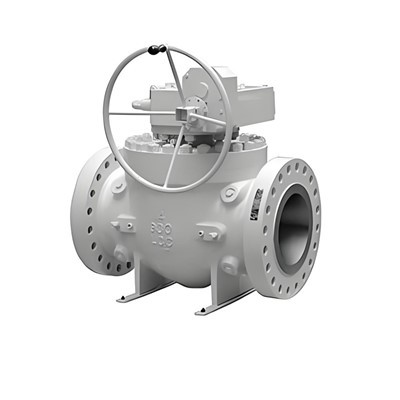
Understanding the Challenges of Steam Applications
Steam is a high – energy fluid with unique properties that can pose significant challenges to ball valves. One of the primary challenges is the high temperature associated with steam. Steam temperatures can range from relatively low levels in some industrial processes to extremely high temperatures in power generation applications. High temperatures can cause thermal expansion of the valve components, leading to issues such as leakage, reduced sealing performance, and even mechanical failure.
Another challenge is the high pressure of steam. Steam systems often operate at high pressures, which can put a great deal of stress on the ball valve. The valve must be able to withstand these pressures without leaking or failing. Additionally, the high – velocity steam flow can cause erosion and cavitation, which can damage the valve internals over time.
Corrosion is also a major concern in steam applications. Steam can contain various impurities such as oxygen, carbon dioxide, and dissolved salts, which can corrode the valve materials. This corrosion can weaken the valve structure and lead to premature failure.
Selecting the Right Ball Valve for Steam Applications
The first step in addressing the challenges of using ball valves in steam applications is to select the right valve. When choosing a ball valve for steam, several factors need to be considered.
Material Selection
The material of the ball valve is crucial. For high – temperature steam applications, materials such as stainless steel, alloy steel, or special high – temperature alloys are often used. These materials can withstand the high temperatures and pressures without significant deformation or corrosion. For example, stainless steel 316L is a popular choice due to its good corrosion resistance and high – temperature strength.
Design Features
The design of the ball valve also plays an important role. A full – port ball valve is often preferred in steam applications because it offers less resistance to the steam flow, reducing the risk of pressure drop and cavitation. Additionally, valves with a fire – safe design are recommended to ensure safety in case of a fire. The fire – safe design typically includes features such as metal – to – metal sealing and secondary sealing elements that can prevent the leakage of steam in the event of a fire.
Pressure and Temperature Ratings
It’s essential to select a ball valve with appropriate pressure and temperature ratings. The valve should be able to handle the maximum pressure and temperature expected in the steam system. Make sure to check the manufacturer’s specifications and ensure that the valve is rated for the specific steam conditions.
Installation and Maintenance
Proper installation and maintenance are key to ensuring the reliable operation of ball valves in steam applications.
Installation
During installation, it’s important to follow the manufacturer’s instructions carefully. The valve should be installed in the correct orientation, with the flow direction indicated on the valve body. The piping should be properly aligned to avoid any stress on the valve. Additionally, proper gaskets and seals should be used to prevent leakage.
Maintenance
Regular maintenance is necessary to keep the ball valve in good working condition. This includes inspecting the valve for signs of wear, corrosion, and leakage. The valve should be lubricated regularly to ensure smooth operation. In high – temperature steam applications, the lubricant should be able to withstand the high temperatures.
It’s also important to monitor the performance of the ball valve. This can be done by checking the pressure and temperature in the steam system, as well as the valve’s opening and closing times. Any abnormal behavior should be investigated immediately to prevent potential failures.
Dealing with Specific Challenges
Thermal Expansion
To address the issue of thermal expansion, it’s important to allow for proper expansion space in the valve installation. This can be achieved by using expansion joints or flexible piping. Additionally, the valve materials should be selected to have a similar coefficient of thermal expansion to the piping materials to minimize the stress caused by thermal expansion.
Erosion and Cavitation
To reduce the risk of erosion and cavitation, the flow velocity of the steam should be controlled. This can be achieved by using appropriate piping sizes and flow control devices. Additionally, the valve internals can be coated with hard – wearing materials to resist erosion.
Corrosion
To prevent corrosion, the steam system should be properly treated to remove impurities. This can include water treatment processes such as demineralization and oxygen scavenging. The valve materials should also be selected for their corrosion resistance. In some cases, protective coatings can be applied to the valve to further enhance its corrosion resistance.
Conclusion
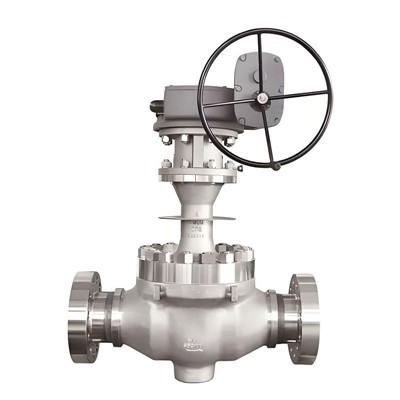
Using ball valves in steam applications can be challenging, but with the right approach, these challenges can be effectively addressed. By selecting the right ball valve, ensuring proper installation and maintenance, and dealing with specific challenges such as thermal expansion, erosion, and corrosion, we can ensure the reliable and safe operation of ball valves in steam systems.
Globe Valve If you’re facing challenges with using ball valves in your steam applications or are looking for high – quality ball valves for your steam systems, I’d be more than happy to help. Our company offers a wide range of ball valves specifically designed for steam applications. We have the expertise and experience to provide you with the right solutions for your needs. Contact us to start a procurement discussion and find the best ball valve for your steam system.
References
- ASME Boiler and Pressure Vessel Code
- API Standards for Valves
- Manufacturer’s Technical Documents on Ball Valves
Wuxi PYNOS Flow-tech Co., Ltd.
As one of the leading ball valve manufacturers and suppliers in China, we offer a wide range of products with superior quality. We warmly welcome you to buy high quality ball valve made in China here from our factory. We also accept customized orders.
Address: Sales Center: 7th Floor, No.19 Qingyuan RD, Wuxi City, Jiangsu Prov., China
E-mail: Info@pynosvalve.com
WebSite: https://www.pynosvalves.com/
