As a supplier of Vegetable Abrasive Media, I’ve witnessed firsthand the growing demand for these eco – friendly alternatives in various industries. Vegetable Abrasive Media, made from natural materials such as walnut shells, corn cobs, and apricot pits, offer a sustainable and effective solution for surface finishing, cleaning, and deburring applications. However, like any abrasive product, the performance of Vegetable Abrasive Media can be influenced by several factors. In this blog post, I’ll delve into these factors to help you understand how to optimize the performance of our Vegetable Abrasive Media. Vegetable Abrasive Media

Material Composition
The raw materials used to produce Vegetable Abrasive Media play a crucial role in determining its performance. Different vegetable sources have unique physical and chemical properties that affect the abrasiveness, hardness, and durability of the media.
Walnut shell abrasives, for example, are known for their relatively low hardness and fine particle size. They are ideal for gentle cleaning and finishing applications where surface damage needs to be minimized. The natural oils present in walnut shells also provide a certain degree of lubrication, reducing friction during the abrasive process.
Corn cob abrasives are softer than walnut shells and are often used for polishing and buffing. They are highly absorbent, which makes them suitable for applications where the removal of oils, greases, and other contaminants is required.
Apricot pit abrasives are harder than walnut shells and corn cobs. They offer a higher cutting rate and are commonly used for more aggressive surface preparation tasks, such as paint and rust removal.
When selecting Vegetable Abrasive Media, it’s essential to consider the specific requirements of your application and choose the material composition that best suits your needs.
Particle Size and Shape
The particle size and shape of Vegetable Abrasive Media significantly impact its performance. The size of the particles determines the aggressiveness of the abrasion. Larger particles generally provide a more aggressive cut, while smaller particles offer a finer finish.
In addition to size, the shape of the particles also matters. Angular particles tend to have a more cutting action, making them suitable for removing tough coatings and contaminants. Rounded particles, on the other hand, are better for polishing and finishing, as they produce a smoother surface.
Our company offers a wide range of particle sizes and shapes to meet the diverse needs of our customers. Whether you need a coarse media for heavy – duty cleaning or a fine media for delicate finishing, we can provide the right product for your application.
Density
The density of Vegetable Abrasive Media affects its impact energy and the way it interacts with the surface being treated. Higher – density media generally have more mass and can deliver greater impact force, which is beneficial for removing stubborn materials. However, high – density media may also cause more surface damage if not used correctly.
Lower – density media are more suitable for applications where a gentle touch is required. They are less likely to cause surface pitting or scratching and are often used for cleaning and finishing delicate surfaces.
We carefully control the density of our Vegetable Abrasive Media during the manufacturing process to ensure consistent performance. By adjusting the density, we can tailor the media to meet the specific requirements of different applications.
Moisture Content
Moisture content is another important factor that can affect the performance of Vegetable Abrasive Media. Excessive moisture can cause the particles to clump together, reducing their effectiveness and potentially clogging the abrasive equipment. On the other hand, overly dry media may generate more dust, which can be a health hazard and also affect the visibility during the abrasive process.
We take great care to control the moisture content of our Vegetable Abrasive Media. Our manufacturing process includes strict drying and moisture – control steps to ensure that the media are delivered in an optimal condition. Additionally, we provide storage recommendations to help our customers maintain the proper moisture level of the media.
Application Method
The way Vegetable Abrasive Media are applied also has a significant impact on their performance. Different application methods, such as blasting, tumbling, and vibratory finishing, require different types of media and operating parameters.
In blasting applications, the pressure, nozzle size, and distance from the surface all affect the performance of the media. Higher pressure generally results in a more aggressive cut, but it also increases the risk of surface damage. The nozzle size determines the flow rate and the spread of the media, while the distance from the surface affects the impact force.
In tumbling and vibratory finishing applications, the media are mixed with the parts being treated and agitated to achieve the desired surface finish. The type of media, the size of the tumbling or vibratory machine, and the duration of the process all need to be carefully considered to ensure optimal results.
Environmental Conditions
Environmental conditions, such as temperature and humidity, can also influence the performance of Vegetable Abrasive Media. High temperatures can cause the media to become more brittle, reducing their durability. Low temperatures, on the other hand, may increase the viscosity of the media, affecting its flowability.
Humidity can also have an impact on the media. In high – humidity environments, the media may absorb moisture, leading to clumping and reduced performance. In low – humidity environments, the media may generate more static electricity, which can cause the particles to stick together and make it difficult to handle.
We recommend that our customers take into account the environmental conditions when using our Vegetable Abrasive Media. By adjusting the operating parameters and storage conditions, they can ensure that the media perform at their best.
Compatibility with the Substrate
The compatibility of Vegetable Abrasive Media with the substrate being treated is crucial for achieving the desired results. Different substrates have different hardness, surface finish requirements, and chemical properties. For example, soft metals like aluminum require a gentle abrasive media to avoid surface damage, while hard metals like steel can withstand more aggressive abrasion.
We provide detailed technical information and application guidelines to help our customers select the most suitable Vegetable Abrasive Media for their substrates. Our team of experts is also available to offer personalized advice and support to ensure that you get the best performance from our products.
In conclusion, the performance of Vegetable Abrasive Media is influenced by a variety of factors, including material composition, particle size and shape, density, moisture content, application method, environmental conditions, and compatibility with the substrate. By understanding these factors and making informed choices, you can optimize the performance of our Vegetable Abrasive Media and achieve the best results for your applications.
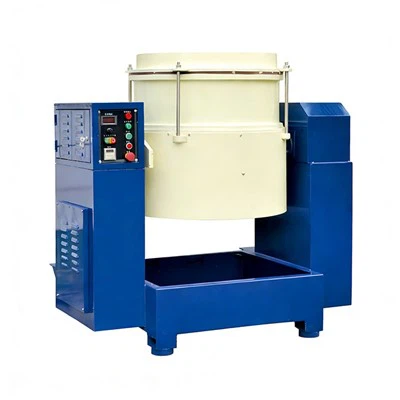
If you’re interested in learning more about our Vegetable Abrasive Media or have specific requirements for your project, we’d love to hear from you. Contact us to discuss your needs and explore how our products can meet your expectations.
Drag Polishing Machine References
- ASTM International standards related to abrasive materials.
- Industry research reports on the use of vegetable – based abrasives.
- Technical literature provided by raw material suppliers of walnut shells, corn cobs, and apricot pits.
Dongguan Xindingsheng Intelligent Grinding Technology Co., Ltd.
Dongguan Xindingsheng Intelligent Grinding Technology Co., Ltd. is one of the most reliable vegetable abrasive media manufacturers and suppliers in China, also supports customized service. Please feel free to wholesale bulk high quality vegetable abrasive media in stock here from our factory. Contact us for pricelist.
Address: Room 101, Building 1, No. 73 Dahuangmei Road, Dalingshan Town, Dongguan City, Guangdong Province, China
E-mail: cndskj@126.com
WebSite: https://www.xdsfinishing.com/
