Hey everyone! If you’ve ever had an acrylic partial denture, or are thinking about getting one, you’ve probably wondered – how long will this thing actually last? I’m gonna break this down real talk style, since I’ve been supplying acrylic dentures for years, seen every trick in the book, and know exactly what makes them last (or not). No stuffy dental jargon, just real talk about lifespan, what affects it, and how to make yours stick around as long as possible. Acrylic Denture
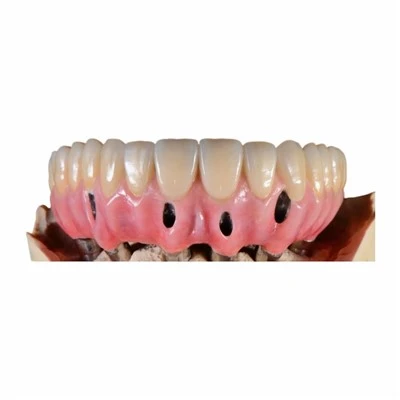
First off, let’s get one thing straight: there’s no one-size-fits-all answer here. But from what I’ve seen, working with patients and dental clinics over the years, a well-made, well-cared-for acrylic partial denture usually lasts between 5 to 7 years. Wait, some folks get 10 years out of them? Yeah, that’s possible too – but it’s rare, and usually comes down to a whole bunch of factors. On the flip side, I’ve had customers come back in 2 years because theirs broke way sooner. So why the big gap? Let’s dive into that, because that’s what people actually care about.
First, let’s talk about the denture itself – not all acrylic is created equal. I source my acrylic from reputable suppliers, you know? The stuff that’s durable, doesn’t get brittle fast, holds up to chewing pressure without cracking. Cheaper, lower-grade acrylic (the kind some sketchy shops use to cut corners) will start breaking down way quicker. It gets brittle, develops tiny cracks that turn into big ones, or even warps if you leave it in hot water by accident. I once had a customer send back a denture that cracked after 1 month, and it turned out the clinic used generic acrylic that wasn’t cured properly. Curing is that step where you heat the acrylic to set it – if you rush that, it’s way weaker. That’s why I only work with labs that do the curing right, no short cuts.
Then there’s your mouth, which is a chaotic environment. Just like your natural teeth, dentures are exposed to bacteria, acid from food and drinks, constant chewing pressure, even grinding your teeth at night (bruxism, as the dentists call it, but we can just say grinding). If you grind your teeth, that’s a huge one – acrylic isn’t as strong as natural tooth enamel, so all that clenching and grinding will wear it down fast, or cause it to chip or crack. I had a guy a few years back who swore he never grinded, but turns out he was doing it in his sleep and didn’t know it. His partial was full of tiny chips after 2 years, and we had to reline it and adjust the fit.
Your bite also plays a part. If the denture isn’t fitted right, it puts uneven pressure on your gums and the remaining teeth. That makes the acrylic wear down faster in spots, and over time, the fit gets worse. The gums also shrink a tiny bit over time, right? That’s normal – when you lose teeth, the bone and gum tissue slowly resorb, or shrink. So even a perfect-fitting denture will start to feel loose after a few years, which means it’s not sitting right, putting more strain on the acrylic. That’s why regular check-ins with your dentist are so important – they can adjust the fit, reline the denture, or even do a quick repair before it becomes a big problem.
Now, the big one that most people miss: how you take care of your acrylic partial denture. I can’t stress this enough – good hygiene doubles the lifespan, easy as that. Let’s get real about the do’s and don’ts, because most people make simple mistakes that ruin their dentures way faster.
First, cleaning. You can’t just use regular toothpaste on acrylic – that stuff has abrasives in it that scratch the surface. Scratches = places for bacteria to hide, plus the denture gets dull and discolored. You need to use mild, non-abrasive denture cleaner, or even just gentle hand soap. Brush it daily, same as your teeth, but be super careful – acrylic can scratch or chip easily if you drop it or apply too much pressure when brushing. Oh, and never, ever use hot water to clean your denture or store it. Hot water warps acrylic, so even if you’re just rinsing it, lukewarm or cold water only. I had a customer who boiled his denture once to “sanitize” it, and it came out all bent out of shape – had to make a whole new one, and he regretted it big time.
Storage is another big one. If you take your denture out at night, don’t just leave it on the sink where you could knock it in the morning, or leave it sitting out to dry. You should submerge it in water or a denture soak solution when you’re not wearing it. If you let it dry out completely, acrylic gets brittle, cracks way easier. That’s a rookie mistake, I see it all the time.
Then there’s what you eat. Super hard foods – like ice, hard candy, nuts – can chip or crack acrylic if you bite down on them wrong. I tell all my customers to avoid those as much as possible. Sticky foods like caramel or taffy? Those can pull at the denture, especially if it’s loose. I’m not saying you can never have a caramel, just be careful, and if you notice it pulling at the denture, get it adjusted.
Wait, what about relines? A lot of people don’t know that relining is a normal part of owning an acrylic partial denture. After a few years, when your gums have shrunk, the denture’s fit is off, but you don’t need a whole new denture right away. A reline adds a new layer of acrylic to the base, so it fits snug again. Most relines last a year or two, and they extend the life of your denture by a lot. I usually tell customers to plan for a reline every 2 to 3 years, along with regular check-ups. That way, you catch issues before they become cracks or breaks that require a full replacement.
Let me talk about some real examples to make this concrete. I had one customer, Maria, got her acrylic partial from me 8 years ago. She took amazing care of it – wore it every day, cleaned it daily with non-abrasive soap, never used hot water, got relines every 2 years, and had her dentist check it twice a year. We did a couple of small repairs along the way (a tiny chip here, a little wear there), but she’s still wearing that same partial today. Of course, it’s not perfect, and eventually she’ll need a new one, but that’s the extreme good case. On the other end, there’s John, who got his denture from a discount place online. He skipped cleaning, left it out to dry every night, bit into a rock in a hamburger 18 months in, and it cracked right down the middle. Had to get a new one, and swore he’d do better this time.
So what’s the takeaway here? The average 5 to 7 years is totally achievable if you do the right things, but you gotta be on it. Don’t skip the dentist appointments, don’t use the wrong cleaning products, be careful with hot water and hard foods, and get a good denture made in the first place. Cheap acrylic might seem like a deal, but you’ll end up paying more in the long run when you have to replace it every 2 years.
Wait, let’s address some common myths too. I hear people say acrylic partials are terrible, they fall apart fast, that’s just not true. If you take care of it, it’s one of the most durable, affordable denture options out there. Some folks also think once you get a denture, you never have to go to the dentist again – wrong! Your mouth changes, the denture changes, you need regular checks to make sure everything’s still working right. That’s non-negotiable.
Another thing: if you have natural teeth adjacent to the partial, those teeth need to be healthy too. If those teeth get cavities or gum disease, that can affect the fit of your partial, or even damage the acrylic if the tooth shifts. So keeping your natural teeth in good shape is part of keeping your partial in good shape.
At the end of the day, I’ve been doing this for over a decade, and the best advice I can give is this: your acrylic partial denture’s lifespan is mostly in your hands. Sure, the quality of the acrylic and the fit from the lab plays a part, but your daily habits and regular dental care will make the biggest difference. If you treat it right, it’ll treat you right for years.
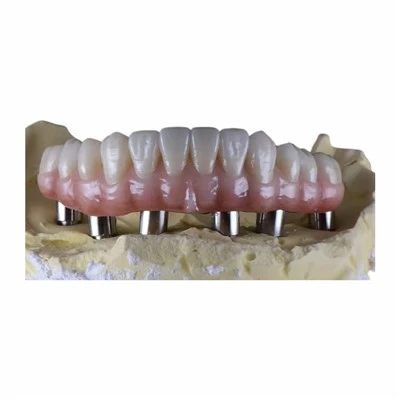
If you’re in the market for a new acrylic partial denture, or you’re looking to replace a worn-out one, I’ve got you covered. I supply high-quality, cured acrylic dentures made to fit perfectly, and I work with customers to make sure they get the care they need to make their denture last. No gimmicks, no cheap shortcuts, just solid products and real advice. If you’re ready to chat about your next denture, hit me up to get the details – let’s make sure you get a denture that works for you, and lasts as long as possible.
Implant Malo Bridge References:
- Felton, D. A., et al. (2020). Clinical Practice Guidelines for Dentures. The Journal of Prosthetic Dentistry, 124(3), 268-280.
- American Dental Association. (2022). Care of Removable Dentures. ADA Oral Health Topics.
- International Journal of Prosthodontics. (2019). Longevity of Acrylic Resin Removable Partial Dentures: A Systematic Review. Int J Prosthodont, 32(4), 389-396.
- Watts, T. L., et al. (2018). Factors Affecting Denture Longevity: A Retrospective Study. Journal of Oral Rehabilitation, 45(9), 687-693.
Shenzhen Tuomei Dental Technology Co., Ltd.
We are one of the most professional acrylic denture manufacturers and suppliers in China, featured by quality products and low price. Please rest assured to buy discount acrylic denture made in China here from our factory. Welcome to view our website for more information.
Address: Room 301, Building C Fuhe Industrial Park No.18 Hexiu West Road, Zhancheng Community Fuhai Subdistrict, Bao’an District, Shenzhen, Guangdong, China
E-mail: dentallab.works@gmail.com
WebSite: https://www.sztuomeidentallab.com/
