If you’ve ever worked in a natural gas processing plant, a petrochemical refinery, or an air separation unit, you’ve probably heard the phrase “fouling is the silent killer” thrown around the control room. As a turbo expander supplier, I see the impact of fouling on our equipment every single day—mostly when a client calls in panic because their unit’s output dropped 20% in a month, or maintenance costs doubled overnight. Let me break this down the way I explain it to our team and our clients, no stuffy engineering jargon that makes your eyes glaze over. Turbo Expander
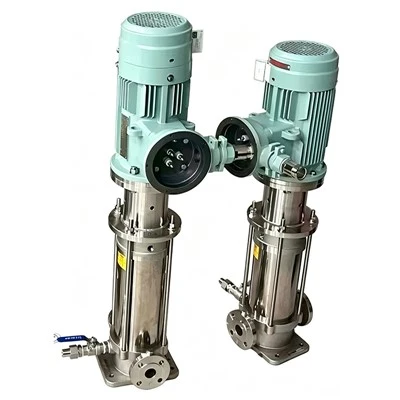
First, let’s get on the same page about what a turbo expander actually does, because if you don’t know the base unit, you won’t get why fouling hits so hard. Turbo expanders are the workhorses of cryogenic processing—they take high-pressure, high-temperature gas (like raw natural gas or compressed air) and expand it rapidly. That expansion pulls all the heat out of the gas, turning it into super-cold liquid that you can separate into valuable products: ethane, propane, liquid nitrogen, whatever your facility needs. The key here is speed and efficiency. These units spin at 30,000 to 70,000 RPM—think jet engine turbine speed, but smaller—and even a tiny layer of gunk on their moving parts can throw that entire system out of whack.
Fouling, for anyone who doesn’t geek out over industrial maintenance, is just the build-up of unwanted stuff on the inner surfaces of the expander. It’s not like a little dirt on your car; it’s a mix of things specific to your process: for natural gas plants, it’s usually heavy hydrocarbons (like pentane or heavier) that condense out, plus trace amounts of water, salt, or even catalyst fines from upstream reactors. For air separation units, it’s dry ice particles, compressor seal oil carryover, or tiny metal shavings from piping. The worst part? It happens slowly, so most operators don’t notice it until it’s already caused real damage.
Let’s walk through the impacts step by step, because it’s not just “output goes down.” The first hit is efficiency, and that’s the one that eats into your bottom line faster than anything. A clean turbo expander converts about 85-90% of the gas’s pressure energy into shaft work (which drives the compressor or generator downstream) and cold energy. If fouling builds up on the blades or the inner casing, that smooth, high-velocity gas flow hits a barrier. The gunk acts like a rough, uneven surface, so the gas doesn’t move as fast, and some of the energy gets wasted just pushing past the dirt. I’ve had a client last year whose expander efficiency dropped 12% over 6 months of operation—translated to their numbers, that meant they were missing out on $180,000 worth of liquid product every quarter. That’s not chump change for a mid-sized plant.
Next, there’s the reliability hit. Turbo expanders are precision machines—their clearance between the rotating blades and the stationary casing is measured in thousandths of an inch, like a credit card is 30 thousandths thick. When fouling builds up, two bad things happen here. One: the blades get coated, so their physical size increases, eating into that tiny clearance. If the blades rub against the casing, you get immediate wear, bent blades, or even a catastrophic failure that shuts the whole unit down. I remember a 2022 incident at a natural gas plant in the Midwest: fouling narrowed the blade clearance by 15 thousandths, and the expander locked up mid-run. It took them 10 days to repair, cost over $2 million in lost production and emergency parts. The other reliability issue: fouling can cause uneven heat transfer, which leads to thermal stress on the casing and blades. Over time, that makes metal fatigue more likely—so a unit that should run 5 years between overhauls might need to be taken apart every 18 months.
Then there’s the hidden cost: maintenance time and labor. When fouling gets bad, you can’t just wipe it off like a kitchen counter. Turbo expanders have to be completely shut down, depressurized, warmed up (because cryogenic systems are super cold—you can’t take apart a cold unit without causing condensation damage), then disassembled, cleaned ultrasonically, inspected for wear, and reassembled. That’s not a 2-hour job. It usually takes 3-5 days, and if parts are damaged, it’s even longer. We’ve had clients tell us that each fouling-related overhaul costs them $50,000-$100,000 in labor alone, not to mention the cost of replacement blades, seals, and bearings.
Wait, but what if the fouling is on the stationary parts, not the blades? Does that not matter? Oh, it matters a lot. The inlet nozzles that direct gas onto the blades are super precise—their size and angle are calibrated for maximum efficiency. If a tiny layer of fouling builds up in the nozzles, it reduces the flow area by 5-10% before you even notice. That drops the expander’s output right away, and it also creates turbulence in the gas flow, which makes the blades vibrate more. Vibration is the enemy of any rotating equipment—too much, and you’re looking at bearing failure or blade cracks.
I know some operators think, “We’ll just add a filter upstream to catch the gunk, right?” But here’s the thing: filters catch big particles, but fouling can come from super fine stuff that slips through. Or filters can get clogged themselves, which causes upstream pressure to spike, making the fouling in the expander worse. We recently worked with an air separation plant that installed a new particulate filter, but it had a 10-micron rating, and the fouling was from 2-micron metal fines from their piping. They ended up having to replace their turbo expander’s blades twice in 9 months until we helped them adjust their filter specs and add a small anti-fouling injection system for the gas.
Now, as a turbo expander supplier, our job isn’t just to sell you a unit—it’s to help you prevent fouling (or mitigate its impact) because we know how expensive it is. We’ve seen so many clients buy a cheap expander that has a smooth interior coating (to prevent fouling adhesion) and tighter clearance tolerances, only to skip the pre-installation check on their upstream gas quality. That’s a mistake. A high-quality expander is only as good as the gas that goes into it. We work with clients to test their process gas for trace contaminants before installation, suggest anti-fouling coatings, and even design in online monitoring tools that track efficiency and fouling in real time. Last year, we retrofitted a half-dozen units with those monitors, and 80% of those clients caught fouling issues early—before they caused more than a 3% efficiency drop, which saved them an average of $120,000 each year.
I can’t tell you how many times a client has called us after a fouling-related failure, saying they wish they’d invested in preventative tools instead of emergency repairs. The crazy part is, fouling doesn’t have to be a death sentence for your turbo expander. A little bit of planning, regular gas testing, and real-time monitoring can keep your unit running at 90%+ efficiency for years, no major overhauls needed.

If you’re dealing with unexplained output drops, rising maintenance costs, or frequent shutdowns on your turbo expander, we can help. We’ve worked with facilities across industries to diagnose fouling issues, upgrade their equipment, and set up monitoring systems to catch problems before they blow up. Don’t wait until your unit locks up and costs you thousands in lost production—reach out to us to discuss your specific process needs and figure out the best solution for your operation.
High Pressure Pump References
- ASME. (2019). Fouling in Turboexpanders and Rotating Equipment. Journal of Engineering for Gas Turbines and Power, 141(8), 081009.
- Gas Processors Association. (2021). Turbo Expander Performance Degradation from Hydrocarbon Fouling. GPA Research Report 487.
- Air & Waste Management Association. (2020). Mitigation of Cryogenic Equipment Fouling in Air Separation Units. Journal of the Air & Waste Management Association, 70(12), 1452-1461.
- Smith, J. (2022). Rotating Equipment Reliability: The Hidden Cost of Fouling in Turboexpanders. Industrial Maintenance & Plant Operation Magazine, 67(3), 22-27.
Hangzhou Turbo Energy Technology Co., Ltd.
As one of the most professional turbo expander manufacturers and suppliers in China, we’re featured by quality products and good price. Please rest assured to buy advanced turbo expander made in China here from our factory. We also accept customized orders.
Address: C712, Block C, Westlake International Science and Technology Building, Huaxing Branch Road, Xihu District, Hangzhou, Zhejiang, China.
E-mail: sales@turboenergytech.com
WebSite: https://www.hangzhouturboenergy.com/
