Hey there! I’m a supplier of ammonium oxalate, and today I want to dig into how ammonium oxalate interacts with polymers. It’s a pretty cool topic that has some real – world applications, so let’s get started! Ammonium Oxalate
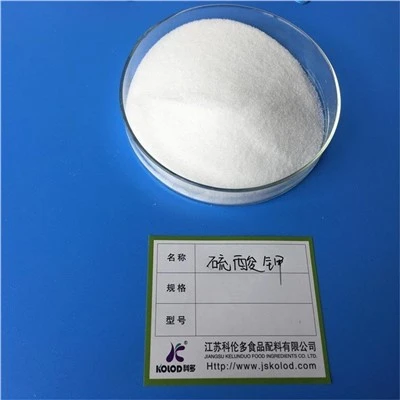
First off, what is ammonium oxalate? It’s a white crystalline salt with the chemical formula (NH₄)₂C₂O₄. It’s soluble in water and is often used in various industrial processes, like metal cleaning and as a reducing agent. On the other hand, polymers are large molecules made up of repeating subunits. They can be natural, like rubber and cellulose, or synthetic, like polyethylene and polypropylene.
Physical Interactions
One way ammonium oxalate interacts with polymers is through physical means. When ammonium oxalate is in contact with a polymer, it can form weak intermolecular forces. For example, van der Waals forces can come into play. These are very weak forces between molecules that arise from temporary dipoles. If the polymer has a non – polar region, the ammonium oxalate can be attracted to it through these van der Waals forces.
Another physical interaction is adsorption. Ammonium oxalate particles can adsorb onto the surface of the polymer. This is kind of like how dust sticks to a surface. The surface of the polymer might have some irregularities or charges that attract the ammonium oxalate ions. This adsorption can change the surface properties of the polymer. For instance, it can make the surface more hydrophilic (water – loving) if the ammonium oxalate ions are polar.
Chemical Interactions
Now, let’s talk about the chemical interactions. Ammonium oxalate can act as a ligand in some cases. A ligand is a molecule or ion that can donate a pair of electrons to a metal ion. Some polymers might have metal ions incorporated into their structure. When ammonium oxalate comes into contact with these polymers, the oxalate part of the ammonium oxalate can form coordination bonds with the metal ions.
The oxalate ion (C₂O₄²⁻) is a bidentate ligand, which means it can bind to a metal ion at two different points. This can lead to the formation of a complex between the ammonium oxalate and the polymer – bound metal ion. This complex formation can have a significant impact on the properties of the polymer. For example, it can change the mechanical properties of the polymer, making it more rigid or flexible depending on the nature of the complex.
In some cases, ammonium oxalate can also cause chemical reactions with the polymer itself. If the polymer has reactive functional groups, the ammonium oxalate might react with them. For example, if the polymer has an ester group, the ammonium oxalate could potentially hydrolyze the ester under certain conditions. This would break the polymer chain and change its molecular weight and other properties.
Applications in Polymer Industry
The interaction between ammonium oxalate and polymers has several applications in the polymer industry. One of the main applications is in polymer modification. By using ammonium oxalate to interact with polymers, we can change their properties to suit specific needs.
For example, in the production of coatings, we can use ammonium oxalate to modify the surface properties of a polymer – based coating. If we want the coating to be more resistant to water or have better adhesion to a substrate, we can introduce ammonium oxalate during the coating formulation. The ammonium oxalate can interact with the polymer in the coating to create a more favorable surface for the desired application.
In the field of polymer composites, ammonium oxalate can also play an important role. Composites are made by combining a polymer with other materials. Ammonium oxalate can be used to improve the compatibility between the polymer and the filler material. It can interact with both the polymer and the filler, creating a better – bonded composite with enhanced mechanical properties.
Environmental and Safety Considerations
It’s important to talk about the environmental and safety aspects when dealing with ammonium oxalate and polymers. Ammonium oxalate is toxic if ingested or inhaled. It can also cause irritation to the skin and eyes. So, when handling ammonium oxalate in the polymer industry, proper safety measures need to be in place.
From an environmental perspective, we need to be careful about the disposal of products that contain ammonium oxalate – polymer interactions. If these products end up in the environment, the ammonium oxalate could potentially leach out and cause harm to aquatic life and soil organisms. So, recycling and proper disposal methods should be followed.
Factors Affecting the Interaction
There are several factors that can affect how ammonium oxalate interacts with polymers. One of the main factors is the pH of the environment. Ammonium oxalate is a salt that can hydrolyze in water, and the extent of hydrolysis depends on the pH. At different pH values, the form of the ammonium oxalate (e.g., whether it exists as the free ion or in a hydrolyzed form) can change, which in turn affects its interaction with the polymer.
The temperature also plays a role. Higher temperatures generally increase the rate of chemical reactions. If there is a chemical interaction between ammonium oxalate and the polymer, increasing the temperature can speed up the reaction. However, high temperatures can also cause the polymer to degrade, so it’s a balance that needs to be carefully considered.
The chemical structure of the polymer is another crucial factor. Polymers with different functional groups and chain structures will interact with ammonium oxalate in different ways. For example, a polymer with a high density of polar functional groups will have a stronger interaction with the polar ammonium oxalate compared to a non – polar polymer.
Conclusion

So, as you can see, the interaction between ammonium oxalate and polymers is a complex but fascinating topic. It involves both physical and chemical interactions, and these interactions have a wide range of applications in the polymer industry. Whether it’s for modifying polymer properties, improving composite performance, or creating better coatings, ammonium oxalate can be a valuable tool.
Magnesium Sulfate If you’re in the polymer industry and are interested in exploring the potential of ammonium oxalate in your processes, I’d love to have a chat with you. We can discuss how our high – quality ammonium oxalate can be used to meet your specific needs. Don’t hesitate to reach out for a procurement discussion!
References
- "Polymer Chemistry" – A general textbook on polymer science that covers polymer – small molecule interactions.
- "Inorganic Chemistry" – A textbook that provides in – depth knowledge on coordination chemistry, which is relevant to the interaction between ammonium oxalate and polymer – bound metal ions.
- Research papers on the use of ammonium oxalate in polymer modification and composite production from scientific journals such as "Polymer Journal" and "Journal of Applied Polymer Science".
Jiangsu Kolod Food Ingredients Co., Ltd.
As one of the most professional ammonium oxalate manufacturers and suppliers in China, we’re featured by quality products and good price. Please rest assured to wholesale bulk ammonium oxalate made in China here and get free sample from our factory. Customized orders are welcome.
Address: South Side of Weier Road, Guanyun Development Zone, Lianyungang City, Jiangsu Province, China
E-mail: sales1399@jskolod.com
WebSite: https://www.kolod-group.com/
