Hey there! As a supplier of pole mounted transformers, I often get asked about load loss. So, let’s dive right in and talk about what load loss of a pole mounted transformer actually is. Pole Mounted Transformer
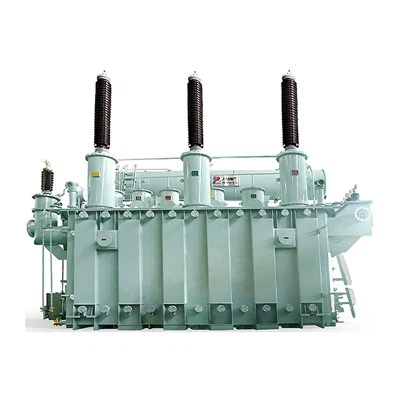
First off, what’s a pole mounted transformer? Well, it’s a type of transformer that’s typically installed on utility poles. These transformers are used to step down the high – voltage electricity from the power grid to a lower voltage that can be used in homes and small businesses. They’re an essential part of the electrical distribution system.
Now, let’s get to the main topic: load loss. Load loss, also known as copper loss, occurs when current flows through the windings of the transformer. You see, the windings in a transformer are made of copper (or sometimes aluminum), and copper has electrical resistance. When current passes through the windings, this resistance causes some of the electrical energy to be converted into heat. That heat is essentially the load loss.
The amount of load loss depends on a few factors. One of the most important factors is the load current. The higher the load current, the more power is dissipated as heat in the windings. It’s kind of like when you’re running a race. The faster you run, the more energy you use, right? Similarly, the more current flowing through the transformer windings, the more load loss there will be.
Another factor that affects load loss is the resistance of the windings. If the windings have a higher resistance, more energy will be lost as heat. The resistance of the windings can be influenced by things like the material they’re made of, the cross – sectional area of the wire, and the length of the wire. For example, a thinner wire will have a higher resistance than a thicker wire, all else being equal.
Load loss is an important consideration for a few reasons. For one, it affects the efficiency of the transformer. A transformer with high load loss is less efficient because it’s wasting energy as heat. This means that more power has to be generated to meet the same demand, which can increase costs for both the utility company and the end – user.
In addition, load loss can also have an impact on the lifespan of the transformer. The heat generated by load loss can cause the insulation in the transformer to degrade over time. If the insulation breaks down, it can lead to short – circuits and other problems, which can ultimately result in the failure of the transformer.
As a supplier, we’re always looking for ways to reduce load loss in our pole mounted transformers. One way we do this is by using high – quality materials for the windings. For example, we use copper with a low resistivity, which helps to minimize the resistance of the windings and therefore reduce load loss.
We also design our transformers with larger cross – sectional areas for the windings. This reduces the resistance and allows the current to flow more easily, resulting in less heat generation and lower load loss.
Another approach we take is to optimize the design of the transformer to ensure that the load is distributed evenly across the windings. This helps to prevent hot spots from forming, which can increase load loss and damage the transformer.
So, why should you care about load loss when buying a pole mounted transformer? Well, if you’re a utility company, reducing load loss can save you a significant amount of money in the long run. Lower load loss means less wasted energy, which means lower operating costs.
If you’re a business owner or a homeowner, a transformer with low load loss can also save you money on your electricity bills. Since less energy is being wasted as heat, more of the power you’re paying for is actually being used to run your appliances and equipment.
In addition to the cost savings, a transformer with low load loss is also more environmentally friendly. By reducing the amount of energy wasted as heat, we’re reducing the overall demand for electricity, which in turn reduces the amount of fossil fuels that need to be burned to generate that electricity.
If you’re in the market for a pole mounted transformer, you want to look for a supplier that takes load loss seriously. You want a transformer that’s designed and built to be as efficient as possible. That’s where we come in.
We’ve been in the business of supplying pole mounted transformers for years, and we’ve got the expertise and experience to provide you with a high – quality product. Our transformers are designed with load loss in mind, and we use the latest technology and materials to ensure that they’re as efficient as possible.
Whether you’re a utility company looking to upgrade your electrical distribution system or a business owner in need of a reliable power source, we’ve got the right transformer for you. We offer a wide range of pole mounted transformers with different capacities and specifications to meet your specific needs.
So, if you’re interested in learning more about our pole mounted transformers or want to discuss your requirements, don’t hesitate to reach out. We’re here to help you find the perfect solution for your electrical needs.
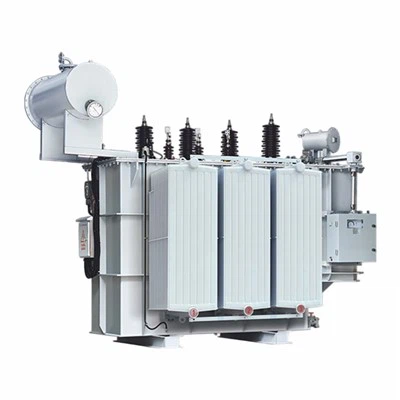
In conclusion, load loss is an important aspect of pole mounted transformers. It affects the efficiency, cost, and lifespan of the transformer, and it’s something that you should consider when buying a transformer. As a supplier, we’re committed to providing you with high – quality transformers that minimize load loss and offer you the best value for your money.
Substation Transformer References
- Electrical Power Systems Engineering textbooks
- Industry research reports on transformer efficiency
Nantong Yawei New Energy Technology Co., Ltd.
As one of the most professional pole mounted transformer manufacturers and suppliers in China, we’re featured by quality products and good service. Please rest assured to wholesale durable pole mounted transformer made in China here from our factory. Customized orders are welcome.
Address: Room 28-101, Building 27 and 28, No.333 Kaiyuan Avenue, Sunzhuang Subdistrict, Hai’an City, Nantong City, Jiangsu Province, China
E-mail: admin@nantongyawei.com
WebSite: https://www.nantongyawei.com/
