If you’ve ever run a nail tech business, you know how much a reliable nail dust collector isn’t just a luxury—it’s the backbone of keeping your workspace safe, compliant, and comfortable for both you and your clients. When one of my units goes down mid-service? I’ve been there, staring at a pile of acrylic dust on my station and a room that’s already too thick with fine particles, scrambling to fix it before the next client walks in. As a nail dust collector supplier, I’ve fielded hundreds of troubleshooting calls from techs, salon owners, and even mobile nail artists who’ve run into the same issues—problems that often have quick, simple fixes, not full unit replacements. Today, I’m pulling back the curtain on the most common issues we see, the science behind why they happen, and step-by-step fixes that anyone can do, no advanced engineering degree required. Nail Dust Collector

First: Know the Basics (And Rule Out the Dumb Stuff)
Before you dive into taking your unit apart, let’s start with the basics that trip up even the most seasoned nail pros. Last month, a nail tech called me panicking that her new collector wouldn’t turn on—she’d even taken off the filter and inspected the motor, convinced it was broken. Turned out, she’d plugged it into a salon outlet that the front desk had turned off after hours, and the on-off switch on the unit itself had been bumped to “off” by a shelf cleaner. So rule out these first:
- Power Supply Checks: Nail collectors draw consistent power, and in busy salons, outlets get overloaded by styling tools, UV lamps, and hand dryers. Test the outlet with another small device (like a phone charger) to make sure it’s working. If it is, try a different cord (we recommend keeping a spare, since frayed cords from being pulled under salon carts are super common).
- Filter Placement: This is non-negotiable from a efficiency and safety standpoint. Our units are engineered so the HEPA or fine particle filter fits snugly into the slot—if it’s loose, notched the wrong way, or slipped out when you last emptied it, air can’t flow, and the unit will either hum loudly (that’s the motor straining) or not suck at all. A quick visual check here saves so much time.
The Big Five Most Common Issues (And How to Fix Them)
Now, let’s get to the problems that are actually unit-related, with science backing why each fix works. Nail dust isn’t just acrylic shavings—it’s a mix of fine polymer particles, filed nail dust, and sometimes residual gel or monomer. These particles are tiny (many are 0.3 microns, the size HEPA filters are designed to capture), and they clog airflow, damage motors, and cause the most common breakdowns.
Issue 1: No Suction (Or Weak Suction Mid-Service)
This is the number one complaint we get. When suction drops, you’re breathing in that fine dust, and it lands on clients’ skin, clothes, and your station—total waste of the unit’s purpose.
The science here: Your nail dust collector works on Bernoulli’s principle, creating low-pressure air flow that pulls dust from the drill bit. If anything is blocking that air path, the low pressure drops, and suction fades.
Fix Step-by-Step:
- Empty the collection bin first: Most salons wait until the bin is overflowing, but if it’s half full, the weight of the dust blocks the air intake on the bin itself. We tell all our customers to empty the bin after every 5-6 services, not when it’s full. If the bin is clear, move to step two.
- Check for clogs in the hose: This is the most common hidden clog. Use a long, flexible brush (we sell these as accessories, but a pipe cleaner works too for small clogs) to run through the hose. If you see compacted acrylic or gel, soak the hose in warm, soapy water for 30 minutes (let it dry completely before reattaching—moisture damages the motor long-term) to remove stubborn buildup. Last week, a mobile tech told me she’d been dealing with weak suction for weeks, only to find a 2-inch piece of filed nail she’d blown into the hose when cleaning her drill.
- Inspect the pre-filter: Most units have a foam or mesh pre-filter that catches large dust particles before they reach the HEPA filter. If this is caked with gunk, it restricts airflow way more than you’d think. We recommend washing it with mild soap every two weeks (don’t use harsh chemicals, which break down the foam) and replacing it every 3 months.
Issue 2: Loud Rattling Or Humming
A unit that’s suddenly noisy isn’t just annoying—it’s a sign of a problem that will lead to motor failure if ignored. I once had a salon owner wait three weeks to fix a rattling unit, and by the time she called, the motor was fried, and she had to replace the whole unit instead of a $10 part.
The science here: Motors in nail dust collectors are designed to run at high RPMs to pull in air, so even small imbalances or obstructions create vibration that sounds like rattling. Common culprits fall into two categories: loose parts or clogs causing strain.
Fix Step-by-Step:
- Tighten all exterior parts: Over time, the collection bin, hose, and filter housing can work loose from being moved around during services. Give each part a gentle twist to make sure it’s secured—if it’s still rattling, move inside.
- Check for a stuck particle in the motor fan: This is super common, especially after a set of acrylics. A tiny piece of hard acrylic can get sucked into the motor fan, causing it to wobble. To access it (most units have a side panel held on by 2-4 small screws), unplug the unit first, then gently turn the fan with your finger. If it’s stuck, remove the particle with a pair of tweezers (don’t force it, you’ll damage the fan).
- Make sure the unit is level: If you set your collector on a uneven table or cart, the motor will sit at an angle, causing vibration. We recommend placing it on a flat, hard surface (not a fabric tablecloth) to reduce strain on the motor.
Issue 3: Motor Won’t Run At All
This is the scariest one, but 70% of the time, it’s not a dead motor. As a supplier, we hear this all the time from new customers who panic that they wasted money on a dud.
The science here: Most modern nail dust collectors have thermal overload protection built into the motor. This is a safety feature that shuts the motor down if it gets too hot, which happens when airflow is blocked (from clogs or dirty filters) or the motor is overworked from running too long.
Fix Step-by-Step:
- Unplug the unit and let it rest: If you’ve been using it for more than 2 hours straight, or it’s been running at full speed with a clogged filter, the thermal switch will trigger. Let it sit for 30 minutes to an hour—this lets the motor cool down, and the switch resets. We’ve had a salon tech call us at 9 PM, her unit died mid-last client, and she was back up and running before she finished her cleanup.
- Check the power cord for damage: Frayed cords where they bend at the plug or the unit are the most common cause of a dead unit. If you see any cracks in the plastic insulation, replace the cord (they’re cheap and easy to install, or we sell replacement cords for our customers).
- Test the internal fuse (if your unit has one): Most mid-range and high-end units have a small fuse inside the power compartment. Before you open it, make sure the unit is unplugged, and check the fuse—if it’s black or broken, a quick replacement (they’re standard automotive fuses, easy to find at any hardware store) will fix the issue. Never replace a fuse with a higher amperage, that’s a fire hazard.
Issue 4: Dust Is Escaping Into The Air Even After Fixing Other Issues
This is the failure of the whole point of the unit—you’re trying to protect your lungs, but dust is still getting loose.
The science here: HEPA filters are designed to trap 99.97% of 0.3 micron particles, but only if they’re not damaged, installed backwards, or past their lifespan. If the filter has a tear, or it’s so clogged that air is bypassing it, dust will escape.
Fix Step-by-Step:
- Check filter condition: Pull out your HEPA filter and hold it up to a light. If you can see light through holes or tears, it’s time to replace it—they’re not expensive, and they save you from long-term respiratory issues (we can’t stress this enough, nail techs have one of the highest rates of respiratory issues from occupational exposure).
- Confirm filter placement: Most HEPA filters have an arrow that points toward the motor, meaning air flows through the dirty side of the filter first, trapping particles before they reach the motor. If you installed it backwards, it will push dust back out into the salon, no matter how strong the suction. I’ve seen this mistake so many times—techs just slide it in, not paying attention to the arrow, and wonder why dust is everywhere.
- Seal any gaps: Some older units have gaps between the filter housing and the unit body that open up over time. A small strip of silicone sealant (non-toxic, since it’s near your work area) can fill these gaps and prevent dust from escaping.
Issue 5: Unit Runs Hot To The Touch
If your collector is warm, that’s normal—motors create heat when running, but if it’s too hot to touch for more than a second, that’s a problem. Running a hot unit will shorten its lifespan by years, and it’s a fire risk.
The science here: Heat is caused by the motor working too hard, which happens when airflow is restricted. Clogs in hoses or filters force the motor to use more energy to pull the same amount of air, generating excess heat.
Fix Step-by-Step:
- Clean all airflow paths first: This is the same fix as weak suction—empty the bin, clean the hose, and replace or wash the pre-filter. Most of the time, this will bring the motor temperature back down to normal.
- Ensure proper ventilation for the unit: Nail collectors need space around them to let heat escape—we recommend leaving at least 6 inches of space on all sides, especially the back where the motor vents. If you tuck it into a tight shelf or under your station, the heat can’t dissipate, making the unit run hot.
- Avoid running it 24/7: We get it, salons are busy, but running your collector on low speed when you’re not filing or drilling is a huge energy saver and reduces motor heat. Most modern units have variable speed settings—use the low speed for cleanup, filing, or buffing, and only switch to high speed when doing acrylic or gel enhancements that create a lot of fine dust.
When You Need To Call For Backup (And When To Replace Parts)
I always tell our customers: if you’ve tried all the above fixes, and the unit is still not working, reach out to us instead of forcing it apart. There’s no shame in needing help—sometimes internal wiring issues or motor damage need a professional, and we offer affordable repair services for units that are still under warranty or even past their prime.
When it comes to replacing parts, always use OEM parts (that’s Original Equipment Manufacturer) from a reputable supplier. Generic filters or hoses might seem cheaper, but they don’t fit as well, have lower filtration rates, and can damage your motor over time. As a supplier, we test every replacement part to make sure it meets the same standards as the original, so you don’t have to worry about wasting money on flimsy alternatives.
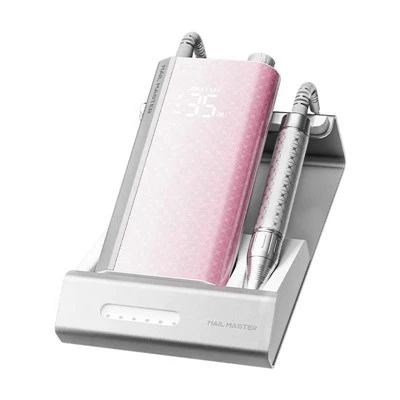
At the end of the day, your nail dust collector is an investment in your health, your business, and your clients’ experience. Taking 10 minutes to do a quick check after every service—emptying the bin, wiping down the hose, checking the filter—will save you hours of troubleshooting down the line, and extend the life of your unit by years.
Dental Micromotor If you’re dealing with a persistent issue we didn’t cover, or you’re looking to upgrade your current unit to one that’s built for high-traffic salons or mobile services, we’d love to chat with you. We work with techs, salon owners, and mobile artists across the industry to find the right solution for their needs, with parts and support to keep your workspace safe for years to come.
References
- American Conference of Governmental Industrial Hygienists (ACGIH). (2022). Threshold Limit Values for Chemical Substances and Physical Agents.
- Occupational Safety and Health Administration (OSHA). (2021). Respiratory Protection Standard for Nail Salons.
- National Nail Tech Association (NNTA). (2023). Occupational Health Guidelines for Nail Dust Control.
- ASHRAE. (2020). Ventilation for Acceptable Indoor Air Quality.
- International Electrotechnical Commission (IEC). (2021). Standard for Vacuum Cleaners and Air Purifiers for Fine Particle Filtration.
Yongkang Zorin Industry Technology Co., Ltd.
Yongkang Zorin Industry Technology Co., Ltd. is one of the most professional nail dust collector manufacturers and suppliers in China, also supports customized service. Please feel free to buy bulk premium nail dust collector in stock here and get quotation from our factory. For price consultation, contact us.
Address: No. 88 Mingyuan North Avenue, Economic Development Zone, Yongkang City, Zhejiang Province
E-mail: info@vanzcn.com
WebSite: https://www.zorindrill.com/
