If you’ve ever walked past a lumberyard, a tree service crew, or even a backyard where someone’s cutting firewood for the winter, you know chainsaws aren’t just fancy power tools—they’re workhorses. But here’s the thing: I’ve been in this game for over a decade, selling chainsaws (and all the gear that goes with ‘em) to guys and gals who cut for a living or just weekend projects, and I can’t tell you how many times I’ve heard someone say, “I’ve used a chainsaw since I was 16, I don’t need a course.” Let me stop you right there. Yeah, you might not have had a close call yet, but that doesn’t mean one isn’t around the corner. And if you’re buying chainsaws for your crew? That’s even more reason to make safety non-negotiable. So, let’s get real: Are there actually legitimate chainsaw safety courses out there worth your time (and maybe a little cash)? Spoiler alert—yes, but not all of ‘em are created equal, and not all are accessible, which is why I’ve spent years vetting the ones I tell my customers about. Chainsaw

First off, let’s bust a common myth: A chainsaw safety course isn’t just for newbies. I’ve got a guy who’s a tree trimmer with 22 years under his belt, and he took a course last year because he’d been struggling with a weird kickback issue he couldn’t figure out on his own. Turns out his chain was dull, he was using the wrong bar length for the job, and he was standing at an awkward angle when he cut. He left that course saying it was the smartest money he’d spent all year, because he went from wasting 20 minutes per log to cutting three times faster—safely. Kickbacks aren’t a joke, either: The American Chainsaw Safety Association estimates that over 36,000 people end up in ERs every year in the U.S. from chainsaw-related injuries, and a lot of those are preventable. A good course doesn’t just teach you how to hold a saw or wear goggles—it teaches you the why behind every rule, which is what sticks when you’re in a high-stakes situation (like a 100-year-old oak starting to tip toward your house).
Now, let’s talk about the types of courses, because that’s where a lot of people get confused. If you’re a total beginner who just bought a small electric saw to cut firewood on your property, you don’t need a 8-hour professional tree care course. But if you’re running a crew of 5 guys clearing lots for new builds? You definitely do. Let’s break ‘em down into categories, the ones I actually recommend to my customers, no fluff included.
First up, local community colleges and trade schools. I can’t say enough about these. Most small towns and even mid-sized cities have continuing ed programs that offer 2-day chainsaw safety courses for like $150-$250, which is a steal when you compare it to a single ER visit. These are taught by certified instructors—guys who’ve been tree care or lumber work for 20+ years, not some guy who watched a YouTube video last week. They cover all the basics: pre-use checks (that’s checking your chain tension, bar oil, and the condition of your gloves before you even pull the starter), proper cutting positions, how to handle different tree types, and first aid for chainsaw cuts (wait, spoiler—you don’t use a band-aid and hope for the best). The best part? Most of these courses offer hands-on practice, not just sitting in a classroom. Last month, I sent a couple of my first-time saw buyers to a course at the community college an hour south of here, and they came back telling me the instructor let them practice felling small (10-inch) trees in a controlled area, so they didn’t have to test their luck on their own land with a brand-new saw. For folks who just want to get comfortable with a saw and not spend a fortune? This is the way to go.
Next, professional certification courses. These are the ones you need if you’re running a business, or if you want to work for a tree service or lumber company. The main ones I tell my customers about are the ones through the Tree Care Industry Association (TCIA) or the International Society of Arboriculture (ISA). These courses are more intense—usually 3-5 days, and they don’t mess around. They cover everything from felling large, mature trees to climbing with a chainsaw (yes, you can safely climb with a saw, but you’ve gotta do it right), dealing with hazardous materials around trees (like power lines, which is a big one—don’t even get me started on guys who ignore power lines), and even OSHA compliance. If you’re a business owner, OSHA actually requires you to have certified saw operators for certain jobs, so this isn’t just a “nice to have”—it’s a legal requirement. A lot of my commercial customers tell me that getting their whole crew certified through these courses cut their insurance premiums by almost 20% last year, which more than paid for the course fees. The only downside? These are pricier—usually $500-$1,000 per person, and they’re held a few times a year in most regions, so you might have to plan ahead. But for a business? It’s a no-brainer.
Now, let’s talk about the stuff that’s not worth your time, because I see it all the time: online courses. Before you roll your eyes, let me clarify—there are a couple of legit online courses, but most of ‘em are just 20-minute videos you can watch in your car, and that’s not enough. Yeah, they’ll teach you the basics, but they don’t give you hands-on practice, which is the most important part of working with a chainsaw. Last year, a guy came into my shop all proud because he took a $39 online chainsaw course, and he tried to cut a 18-inch oak on a slope in his backyard. He kicked back, nicked his arm, and had to go to urgent care. The online course didn’t tell him how to position his feet on a slope, or how to adjust his chain to prevent kickback when cutting on an incline. Now, don’t get me wrong—if you’re a total newbie and you want to watch an online course as a pre-requisite to taking a hands-on course, that’s fine. But don’t skip the in-person part. That’s where the real learning happens. And for the love of all things chainsaw? Don’t take a course from a random guy on YouTube. I’ve seen “chainsaw experts” on TikTok telling people to skip wearing ear protection because it’s “uncomfortable.” Are you kidding me? Ear protection isn’t a fashion choice—it’s how you don’t go deaf by 40.
Here’s something I wish more people knew: as a chainsaw supplier, I don’t just sell saws. I’ve partnered with a few of the top local instructors around here to offer discounted spots to my customers. Because I care, not just about making a sale, but about keeping people safe. Last year, I worked with the TCIA instructor who does monthly certification courses at the community college, and I got my customers a 15% discount on their course fees, plus a free set of high-quality chaps (the ones that stop the chain if you slip—non-negotiable gear) if they sign up through me. Why do I do that? Because I’ve had too many customers come back to my shop after a bad injury, saying they wish they’d taken a course before buying their first saw. A chainsaw is a powerful tool, but if you don’t know how to use it right, it’s not just a tool—it’s a hazard. And I don’t want my customers getting hurt.
Wait, let’s get into some specific, real examples of what you actually learn in a good course, because this isn’t just theory. I had a regular customer last year who’s a farmer, cuts firewood for 20 families in his area, and runs a small crew. He told me his crew had been having issues with chain kickback when they were cutting logs that were already on the ground—like, the chain would snap back, and they’d almost hit each other more than once. He took the TCIA certification course, and the instructor spent 45 minutes on that exact issue, teaching them how to make a “notch cut” on the top and bottom of the log to keep the chain from catching. After they got back, they tried it on their next load, and not a single kickback incident. They finished the job 2 days early, and didn’t have any injuries. That’s the kind of stuff you don’t learn from watching a video.
Another thing I love about the legitimate courses is that they cover gear too. I can sell you the best chainsaw on the market, but if you’re wearing work boots with steel toes that are worn out, or earplugs that are too old and don’t block noise, or gloves that are too slippery? You’re at risk. A good instructor will tell you exactly what gear you need, why, and even how to check if your gear is still safe. For example, chaps—they’re not the denim chaps you wear to a rodeo. They’re made of a special fabric that unravels when it touches a moving chain, stopping the chain within seconds. A lot of new guys don’t know that, or they think they can skip them because they’re expensive. But one of my guys skipped chaps and nicked his thigh last year—had to get 12 stitches, and missed 3 weeks of work. That’s a $50 pair of chaps, and he couldn’t be bothered. A course would’ve made that clear.
Now, let’s address the elephant in the room: cost. I get it. Whether you’re a weekend warrior or a business owner, money’s tight. But let’s do the math. A community college course is $200, plus $50 for chaps, plus a new pair of earplugs if yours are old—total $300. If that keeps you from a trip to the ER, which costs an average of $2,200 for a chainsaw-related laceration? That’s a no-brainer. For a business, the certification course is $600 per person, but you save 20% on insurance—if you have a crew of 5, that’s $6,000 a year in insurance savings, which is way more than the $3,000 you spent on courses. It’s an investment, not an expense.
Wait, what about people in rural areas where there aren’t community colleges or trade schools within driving distance? Yeah, that’s a problem I hear about a lot. A few of the national chainsaw brands (the good ones, not the cheap no-name ones I sell) actually offer on-site courses for groups. If you’re a crew of 3 or 4 guys in a small town, you can get an instructor to come to your worksite, bring all the gear for hands-on practice, and do the course right there. I worked with a lumber crew upstate last year that had to drive 2 hours for the certification course, and they got so frustrated that I set them up with an on-site course with a TCIA instructor, and they only paid a little extra for travel. It’s worth looking into—don’t let distance be an excuse.
Let me wrap this up, because I know you’ve got a saw to start and a project to get done. The short answer to “Are there any chainsaw safety courses available?” is: absolutely, but you’ve gotta pick the right ones. Skip the random online garbage and the TikTok “experts”. If you’re a beginner, go for a local community college hands-on course. If you’re a business or need professional certification, go for TCIA or ISA courses. If you’re in a remote area, look for on-site group courses. And hey—if you’re not sure where to start, hit me up. As a supplier, I’ve got a network of certified instructors I work with all over the country, and I can point you in the right direction, even if you just need a recommendation for a gear check or a quick safety tip.
Chainsaws are amazing tools. They help us cut firewood for the winter, build houses, clear land, and keep our properties looking good. But they demand respect. A course isn’t about being scared of your saw—it’s about being confident enough to use it safely, so you can get the job done and go home at the end of the day. I’ve been selling chainsaws for years, and the number one thing I want for all my customers is that they stay safe. So don’t skip the safety course. It’s the best investment you’ll make all year.
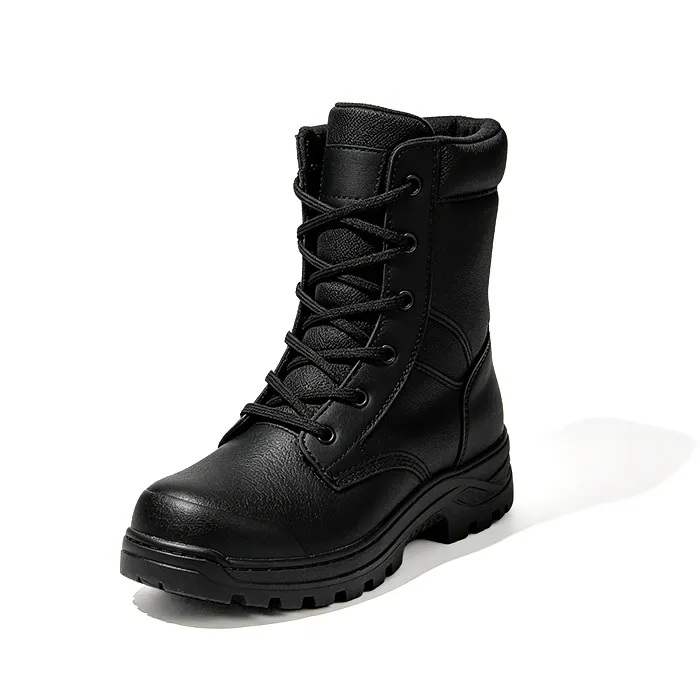
If you’re looking to upgrade your chainsaw gear, stock up on saws for your crew, or chat more about safety courses tailored to your needs, reach out to connect for a discussion. No pressure, no sales pitch—just real talk from a guy who’s been in this game long enough to know what works.
Fire Extinguisher References
- Tree Care Industry Association. Chainsaw Safety Training Standards & Certification. Retrieved from TCIA.org.
- U.S. Consumer Product Safety Commission. Chainsaw-Related Emergency Department Visits, 2022. CPSC.gov.
- Occupational Safety and Health Administration. OSHA Standards for Chainsaw Use in General Industry. OSHA.gov.
- International Society of Arboriculture. Chainsaw Operator Certification Program Guidelines. ISA-Arbor.org.
Zhenjiang Linhao Forest Fire Prevention Equipment Co., Ltd.
Zhenjiang Linhao Forest Fire Prevention Equipment Co., Ltd. is one of the most reliable manufacturers and suppliers of chainsaw in China, featured by quality products and low price. Please rest assured to wholesale customized chainsaw from our factory. Contact us for quotation and free sample.
Address: No.16,Fenghuangshan Road, Runzhou District, Zhenjiang City, Jiangsu Province
E-mail: lh@lhfirefighting.com
WebSite: https://www.lhfirefighting.com/
