As a supplier of mica, I’ve always been passionate about the product I offer. Mica is a versatile mineral with a wide range of applications, from cosmetics to electronics. However, in recent years, there has been growing concern about the potential health risks associated with mica. In this blog, I’ll delve into these risks, drawing on scientific research and industry knowledge to provide a comprehensive overview. Mica

Understanding Mica
Mica is a group of silicate minerals known for their excellent electrical insulation, heat resistance, and transparency. It’s commonly found in nature and is mined in various parts of the world. Mica is used in numerous industries due to its unique properties. In the cosmetics industry, it’s used to create a shimmery effect in products like eyeshadows, blushes, and highlighters. In the electronics industry, it serves as an insulator in electrical equipment.
Respiratory Risks
One of the primary health concerns associated with mica is its potential to cause respiratory problems. When mica is mined, processed, or used in certain industries, tiny mica particles can become airborne. Inhalation of these particles can lead to a variety of respiratory issues.
Silicosis
Silicosis is a well – known occupational lung disease caused by the inhalation of crystalline silica dust. Some types of mica contain silica, and long – term exposure to mica dust with high silica content can result in silicosis. The symptoms of silicosis include shortness of breath, cough, and chest pain. Over time, it can lead to severe lung damage and even respiratory failure.
Asbestosis – like Effects
In some cases, mica deposits may be contaminated with asbestos fibers. Asbestos is a well – established carcinogen, and exposure to asbestos – contaminated mica can cause asbestosis, a chronic lung disease. The inhalation of asbestos fibers can lead to scarring of the lungs, which impairs lung function. This can result in difficulty breathing, a persistent cough, and fatigue.
Skin and Eye Irritation
Mica can also cause skin and eye irritation. When mica particles come into contact with the skin, they can cause redness, itching, and rashes. This is particularly a concern in the cosmetics industry, where mica is used in products that are applied directly to the skin.
In the case of eye exposure, mica particles can cause irritation, redness, and a gritty feeling in the eyes. If not properly removed, these particles can cause more serious damage to the eyes, such as corneal abrasions.
Carcinogenicity
The carcinogenic potential of mica is a subject of ongoing research. While pure mica is not considered a carcinogen, the presence of contaminants like asbestos or other harmful substances in mica can increase the risk of cancer.
Exposure to asbestos – contaminated mica has been linked to an increased risk of lung cancer and mesothelioma, a rare and aggressive cancer that affects the lining of the lungs, abdomen, or heart. Even in the absence of asbestos, some studies suggest that long – term exposure to certain types of mica dust may have a carcinogenic effect, although more research is needed to confirm this.
Minimizing Health Risks
As a mica supplier, I take the health risks associated with mica very seriously. We implement strict quality control measures to ensure that our mica products are as safe as possible.
Quality Assurance
We source our mica from reputable mines and conduct thorough testing to detect any contaminants, especially asbestos. Our products are regularly tested in independent laboratories to meet the highest safety standards.
Workplace Safety
For industries that use mica, we provide detailed safety guidelines. This includes recommendations for proper ventilation in work areas to reduce the inhalation of mica dust. Workers should also wear appropriate personal protective equipment, such as respirators, gloves, and safety goggles, to minimize exposure to mica particles.
Consumer Education
In the cosmetics industry, we work with our customers to ensure that consumers are aware of the potential risks associated with mica. We encourage the use of products that have been tested for safety and are free from harmful contaminants.
The Future of Mica
Despite the health risks, mica remains an important and valuable mineral. The demand for mica is expected to continue growing, especially in emerging industries such as renewable energy and advanced electronics.
As the industry evolves, there is a growing focus on developing safer ways to mine, process, and use mica. This includes the development of new technologies to reduce dust emissions during mining and processing, as well as the use of alternative materials in some applications.
Conclusion
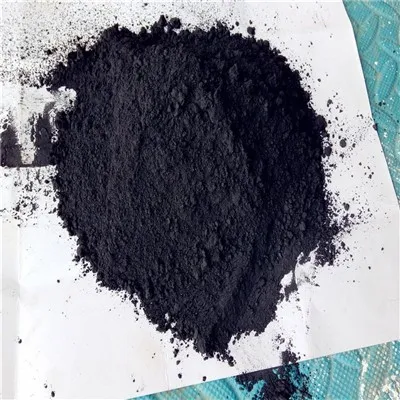
In conclusion, while there are health risks associated with mica, these risks can be effectively managed through proper quality control, workplace safety measures, and consumer education. As a mica supplier, I am committed to providing high – quality, safe mica products to my customers.
Bentonite If you are interested in purchasing mica for your business, I invite you to contact me for a detailed discussion. We can explore how our mica products can meet your specific needs while ensuring the highest level of safety.
References
- National Institute for Occupational Safety and Health (NIOSH). "Mica." NIOSH Pocket Guide to Chemical Hazards.
- World Health Organization (WHO). "Asbestos and Other Fibres." International Agency for Research on Cancer (IARC) Monographs.
- Cosmetic Ingredient Review (CIR). "Safety Assessment of Mica – Group Minerals as Used in Cosmetics."
Lingshou County LM Mineral Products Co., Ltd.
As one of the most professional mica manufacturers and suppliers in China, we’re featured by quality products and good service. Please rest assured to buy customized mica made in China here from our factory. Contact us for more details.
Address: Dongzhuang Village, Nanyanchuan Township, Lingshou County, Shijiazhuang City, Hebei Province
E-mail: lmwtwz@163.com
WebSite: https://www.lmwtz.com/
